
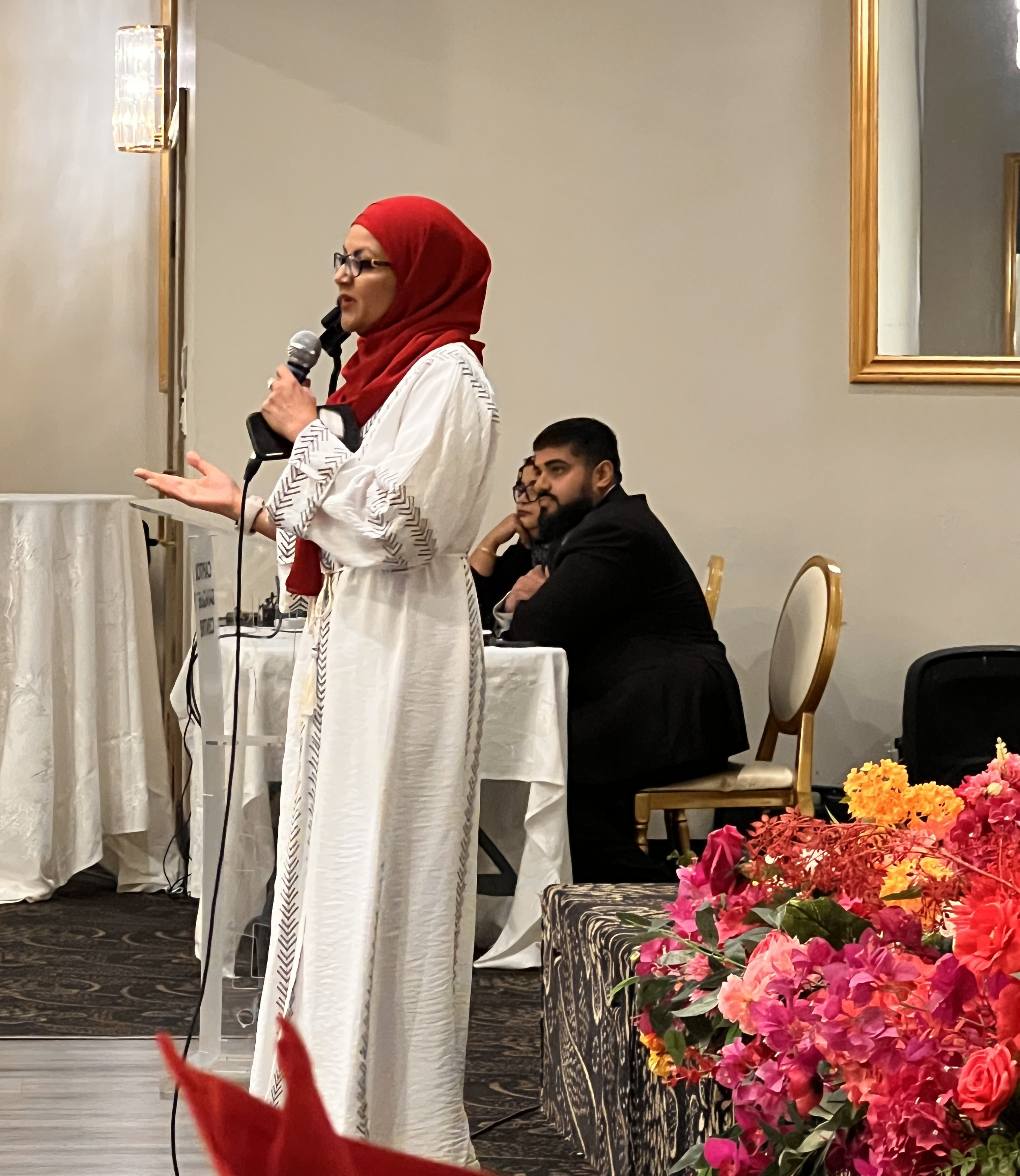
Speakers at a Mississauga event highlight education, healthcare, child protection, and the need for international action to address the protracted Rohingya crisis

Mahmuda Khan, Global Chief Executive Officer of Human Concern International, addresses participants during the Rohingya youth empowerment event in Mississauga, Ontario, on November 14, 2026.
By Arakan Journal Staff – November 17, 2026
MISSISSAUGA, Ontario, November 17, 2026 — Canadian lawmakers, humanitarian leaders, journalists, and human rights advocates have called for stronger international support for Rohingya refugees, highlighting growing concerns over education, healthcare, child protection, and declining humanitarian funding.
The calls were made during an event titled Empowering the Next Generation of Rohingya, organized by Human Concern International (HCI) Canada on November 14 at the Capito Banque Centre, 6435 Dixie Road, Mississauga, Ontario.

Around 300 people, including representatives of various community organizations, attended the gathering, which brought together speakers with experience in humanitarian assistance, parliamentary advocacy, journalism, and human rights.
Mahmuda Khan, Global Chief Executive Officer of Human Concern International, shared her experiences of the Rohingya crisis, drawing on her frequent visits to refugee camps in Cox’s Bazar, Bangladesh.
She expressed concern over recent cuts to UNHCR funding, saying Rohingya refugees require greater financial support, particularly for education and healthcare.
Khan also highlighted serious social challenges in the camps, including domestic violence, child abuse, and other protection concerns.
Discussing education initiatives, she referred to the teaching of the Myanmar curriculum in refugee communities and the operation of approximately 400 community-based learning centres run by Rohingya teachers.
She said HCI was exploring initiatives to expand higher education opportunities for Rohingya students through overseas scholarships, digital higher education, and vocational training. The programs are intended to equip young people with skills they could use in their communities and homeland if they are eventually able to return.
Sami Hamdi, Managing Director of The International Interest and a British journalist and political commentator, joined the event through a video link.
Hamdi expressed concern over the continuing plight of Rohingya refugees and drew comparisons with the genocide in Bosnia. Recalling his visit to refugee camps in Cox’s Bazar, he described witnessing children searching for food in garbage while walking barefoot.

Hamdi expressed concern over the continuing plight of Rohingya refugees and drew comparisons with the genocide in Bosnia. Recalling his visit to refugee camps in Cox’s Bazar, he described witnessing children searching for food in garbage while walking barefoot.
Canadian Liberal MP Salma Zahid, who represents Scarborough Centre—Don Valley East, shared her experiences from a visit to Rohingya refugee camps in Cox’s Bazar last year.
She discussed the humanitarian conditions facing displaced Rohingya and her parliamentary efforts to raise awareness of their persecution and the need for international action.

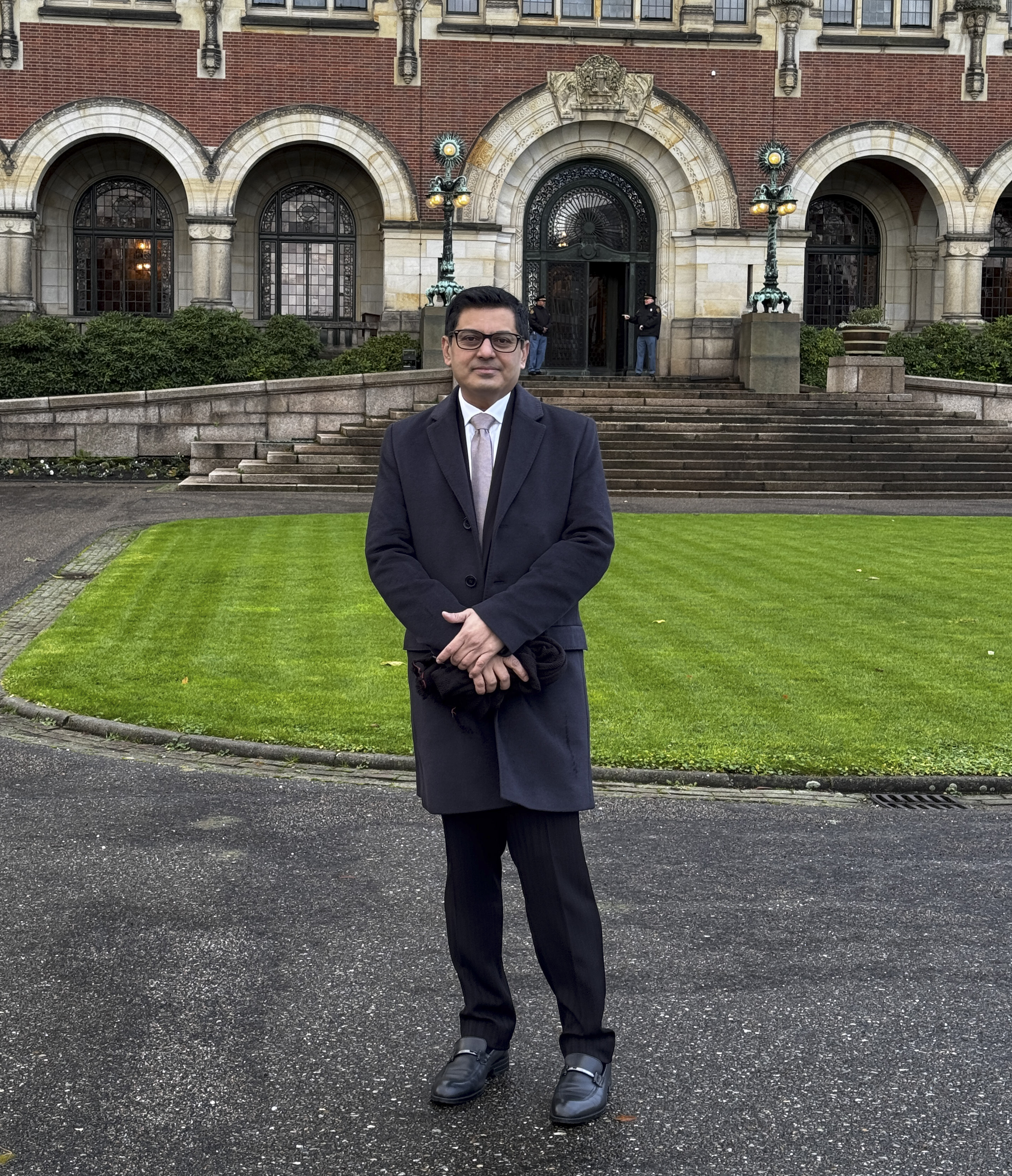
He expressed concern about reductions in UNHCR funding and stressed that the international community must ensure Rohingya can return home with their human rights and fundamental rights protected.
Alam also highlighted the importance of healthcare, education, and proper sanitation in refugee camps. He raised concerns about human trafficking, noting that Rohingya refugees remain vulnerable to trafficking networks operating towards Malaysia, Indonesia, and other destinations.

The Honourable Senator Salma Ataullahjan, an Ontario senator appointed in 2010, also participated in the delegation panel.
A longstanding advocate for human rights and refugee protection, Ataullahjan visited Rohingya refugee camps in Bangladesh in November 2025. She shared her observations of the difficult living conditions confronting refugees and expressed concern about the international community’s response.
“The international community doesn’t want to take ownership of the Rohingya crisis,” she said.
Ataullahjan said she would continue raising Rohingya issues in international forums and advocating for greater attention to the crisis.
The discussions highlighted the need for sustained humanitarian assistance alongside long-term investment in education, healthcare, child protection, and skills development.
Speakers also stressed that humanitarian programs alone cannot resolve the crisis without international efforts to address the underlying causes of Rohingya displacement and ensure conditions for a safe, voluntary, and dignified return to Myanmar.

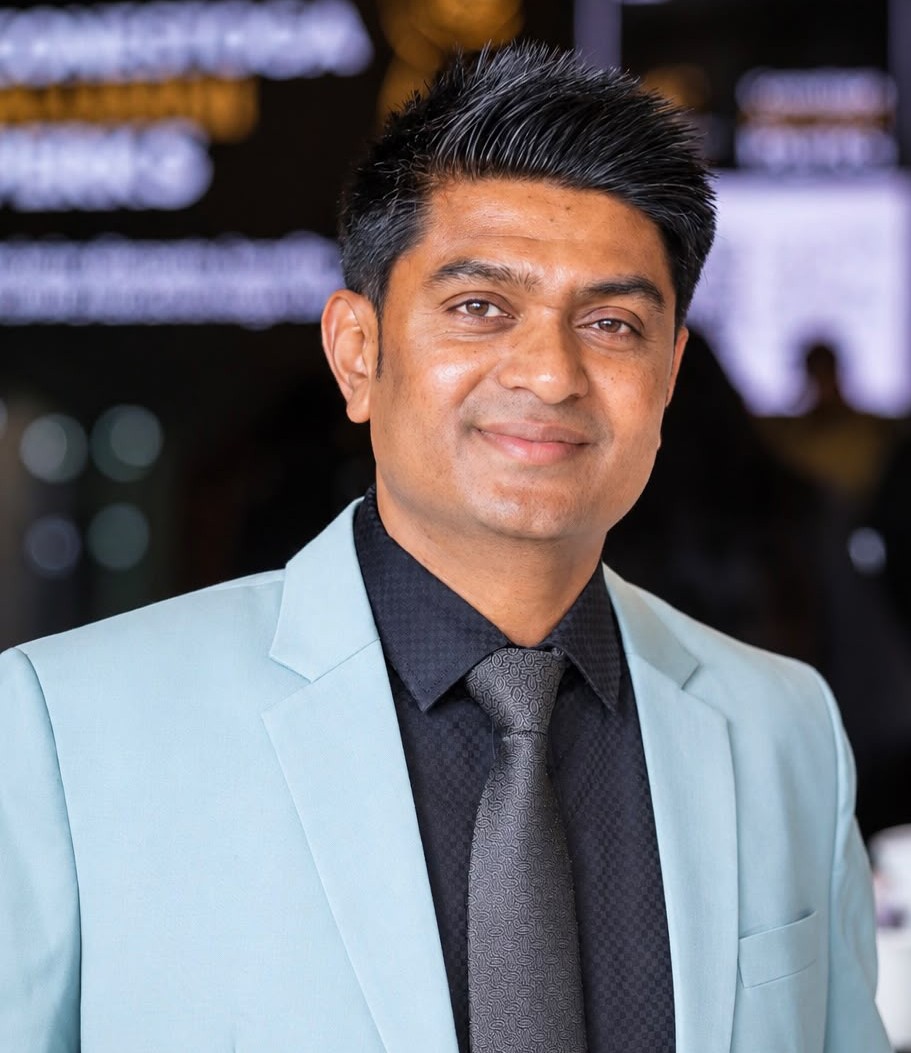
Mr. Saifullah Mohammed, Managing Director of the Rohingya Centre of Canada, based in Kitchener, Ontario, delivered the closing remarks. He thanked the participating organizations and individuals for attending the event and speaking out in support of Rohingya refugees facing persecution and displacement. He also expressed his appreciation to Human Concern International for organizing the gathering and providing a platform to highlight the ongoing Rohingya crisis.
Source: Arakan Journal Reporter.


Leave a Reply