
‘The World Can No Longer Claim It Does Not Know’: Rohingya Leader Calls for Action After Historic ICJ Judgment

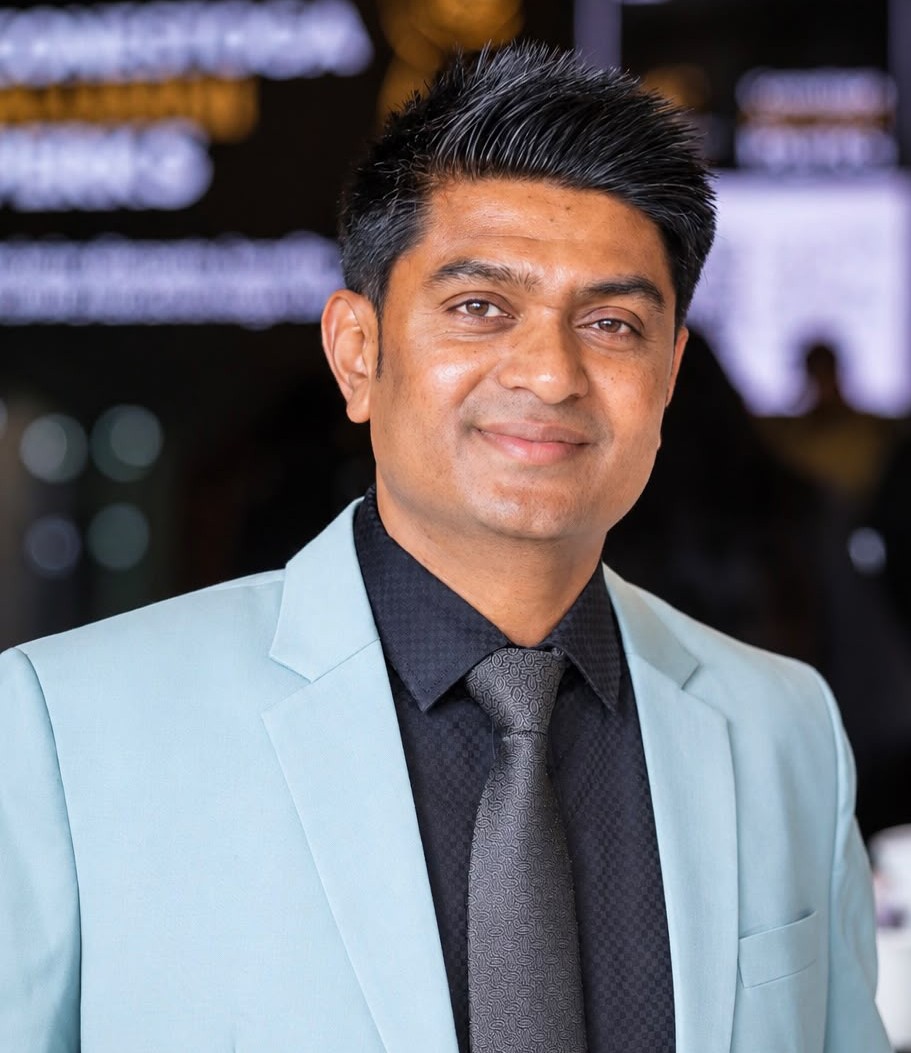
Saifullah Mohammed, the managing director of the Rohingya Centre of Canada, speaks about the implications of the historic ICJ genocide judgment and Canada’s role in advancing justice for the Rohingya. Photo: Supplied to Arakan Journal.
By Arakan Journal Staff – November 22, 2026.
KITCHENER, Ontario, November 22, 2026—Canada’s government must take a leading role in securing accountability for the Rohingya, strengthening international pressure on Myanmar, and investing in the community’s future following the historic International Court of Justice (ICJ) genocide judgment, Saifullah Mohammed, Managing Director of the Rohingya Centre of Canada, has told Arakan Journal.
In an exclusive email interview, Mohammed said the November 19 judgment represented a historic moment for Rohingya survivors and their families, whose suffering had been denied and overlooked for decades.
He urged Canada to work with other countries to ensure Myanmar complies with the Court’s judgment, strengthen targeted sanctions against the military, support international criminal investigations, and establish a formal platform for Rohingya Canadians to participate in policymaking and international advocacy.
Mohammed also stressed that justice must go beyond international recognition, calling for the restoration of citizenship, recognition of Rohingya identity, reparations, fundamental rights, and safe, voluntary, and dignified repatriation.
He warned that without meaningful international action, another generation of Rohingya children could grow up without education, opportunities, and a secure future.
Exclusive Interview: Arakan Journal with Saifullah Mohammed
Question 1 – Immediate Reaction
Arakan Journal: The ICJ has delivered a historic judgment in the genocide case against Myanmar. What was your immediate reaction when you heard the verdict?
Saifullah Mohammed: My immediate reaction was a mixture of overwhelming emotion, relief, gratitude, and a deep sense of responsibility.
My thoughts were not about the judges or the legal victory. I thought about the thousands of Rohingya who were killed, the mothers who lost their children, the villages that were burned, and the survivors who have carried their pain for nearly a decade while the world debated whether their suffering constituted genocide.
Having worked alongside genocide survivors, I know that no judgment can bring back their loved ones or restore the years they have lost. But for the first time, the world’s highest court has formally established Myanmar’s responsibility for committing genocide against our people. That recognition means something profound.
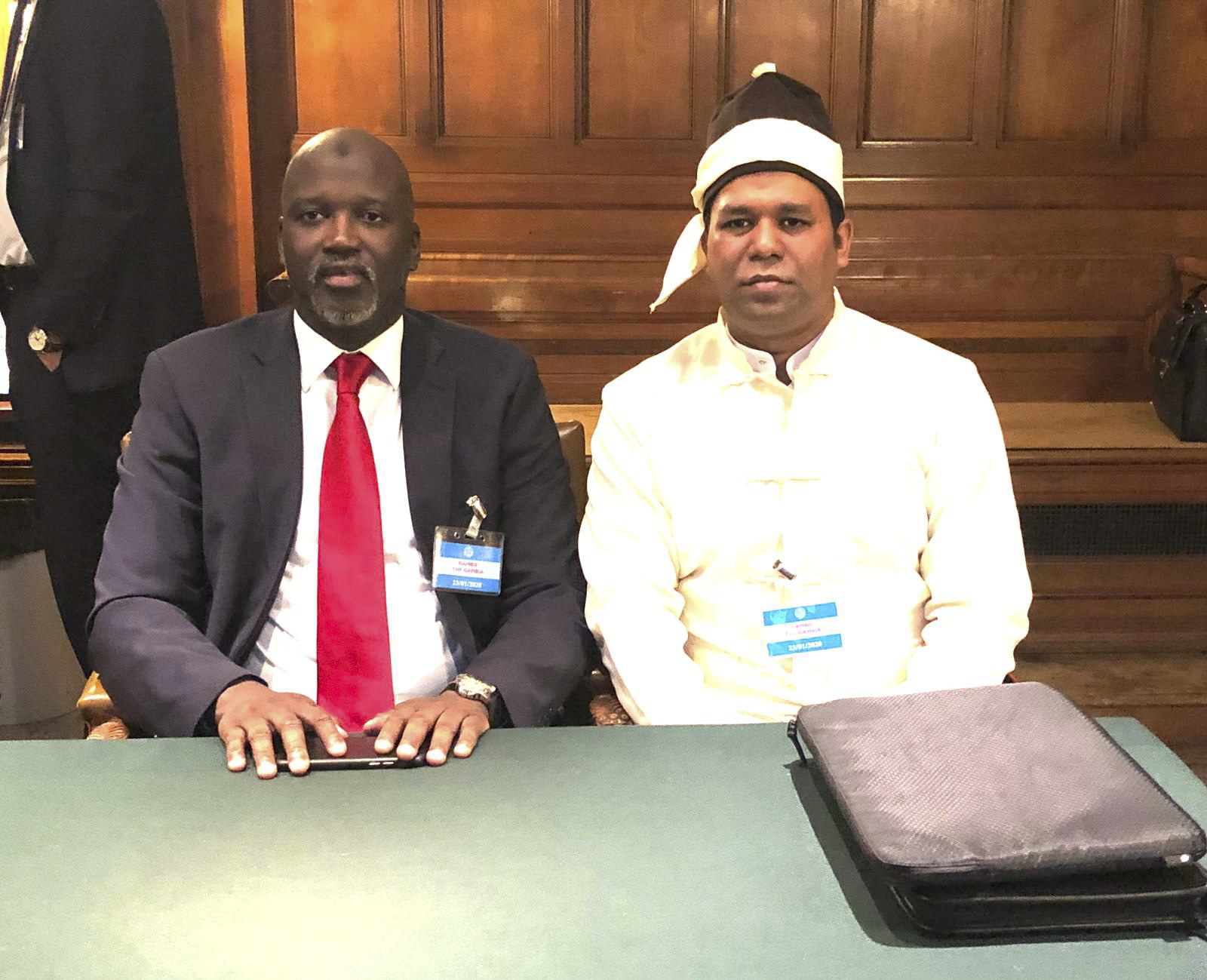
I felt particularly grateful to The Gambia, the survivors who courageously pursued justice, and everyone who refused to let our suffering be forgotten.
We have spent years fighting for the world to recognize what happened to us. Now we must ensure that this recognition leads to accountability, reparations, the restoration of our rights, and a future where our people can return home safely and with dignity.
For me, the most powerful moment will not be when the world recognizes that genocide happened. It will be when a Rohingya child can finally live freely, safely, and with equal rights in the homeland their parents were forced to flee.
Question 2 – Historical Significance
Arakan Journal: How significant is this judgment for the Rohingya people, particularly survivors and families who have waited decades for international recognition and justice?
Saifullah Mohammed: This judgment is historic and deeply personal for the Rohingya people. For decades, our suffering was denied, our identity questioned, and our voices ignored. Today, the world’s highest court has formally recognized what our survivors have been telling the world for years.
For families who lost loved ones, this recognition brings a sense of dignity and hope, although no judgment can bring back those we have lost.
The real significance of this judgment will be measured by what follows: accountability for perpetrators, reparations for survivors, restoration of our rights, and the ability to return safely to our homeland.
The court has recognized our past suffering. Now the world must help secure our future.
Question 3 – Accountability
Arakan Journal: Does this judgment bring the Rohingya closer to justice, or is it only the beginning of a longer process of accountability?
Saifullah Mohammed: Absolutely, this judgment brings us a significant step closer to justice, but it is far from the end of our struggle.
For years, we fought for international recognition of the genocide. Now that the Court has established Myanmar’s responsibility, the challenge shifts from proving what happened to ensuring accountability and implementation.
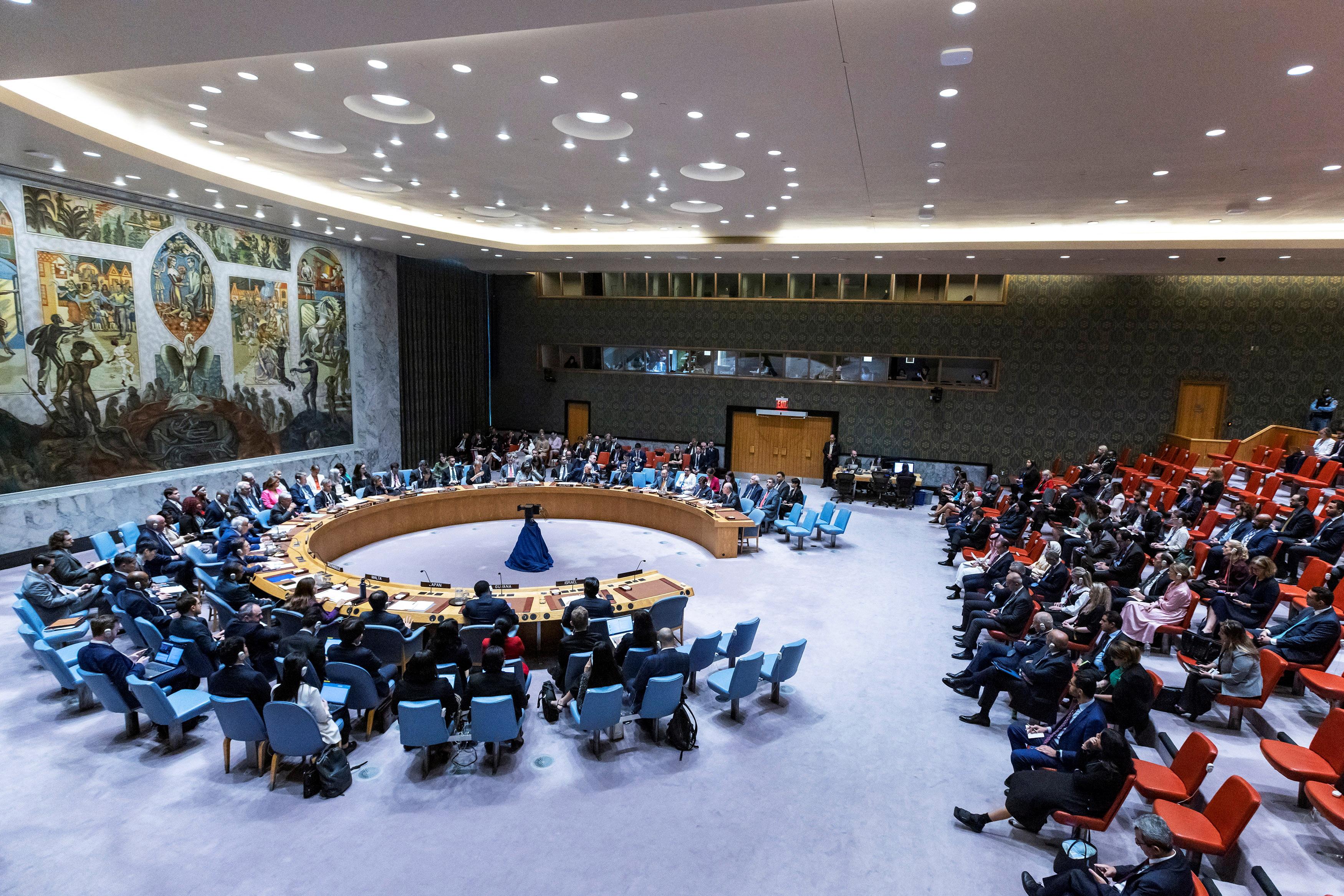
The ICJ can deliver a judgment, but it cannot automatically enforce justice. That requires political will from governments, particularly the UN Security Council, and sustained international pressure.
For Rohingya survivors, justice means more than a legal victory. It means accountability for perpetrators, reparations, restoration of citizenship and fundamental rights, and a safe return to our homeland.
We have won an important legal battle, but the real test begins now: whether the world dares to turn this judgment into meaningful justice.
Question 4 – Myanmar’s Responsibility
Arakan Journal: What practical steps should the international community take to ensure that Myanmar complies with the ICJ judgment?
Saifullah Mohammed: The international community must move from statements of solidarity to some concrete, coordinated action plan.
First, The Gambia, Bangladesh, and supportive countries, including Canada, should establish a diplomatic coalition to monitor Myanmar’s compliance with the judgment and regularly report progress to the United Nations.
Second, the UN Security Council must take up the judgment seriously, consider targeted measures against those obstructing compliance, and demand independent monitoring and protection of Rohingya civilians.
Third, governments must support documenting survivors’ losses, preserving evidence, and implementing reparations.
Importantly, China, Russia, and ASEAN countries must be engaged because they have major influence over Myanmar.
My message is simple: Myanmar should not be allowed to decide whether it wants to comply with international law. The international community must show clear expectations, measurable deadlines, and consequences for continued non-compliance.
Otherwise, even a historic judgment risks becoming another document without meaningful change on the ground.
Question 5 – Criminal Accountability
Arakan Journal: The ICJ addresses the legal responsibility of states rather than conducting criminal trials of individuals. What further action should be taken to ensure that military leaders and other individuals responsible for atrocities against the Rohingya face criminal accountability?
Saifullah Mohammed: The ICJ judgment establishes Myanmar’s responsibility as a state, but genocide is conducted through decisions and actions of individuals. Those who planned, ordered, enabled, or committed these atrocities must also face criminal justice.
The international community should strengthen support for the International Criminal Court’s investigation, advance the ongoing universal jurisdiction proceedings in Argentina, and support the UN’s Independent Investigative Mechanism for Myanmar in preserving evidence and building criminal cases.
Governments should also cooperate on lawful arrest warrants, extradition, and prosecution wherever jurisdiction exists, so that alleged perpetrators cannot simply travel abroad without facing legal scrutiny.
Most importantly, Rohingya survivors must remain central to these proceedings, with protection and meaningful participation.
State responsibility must not become a substitute for individual accountability.
Justice will remain incomplete if those who orchestrated genocide continue to enjoy impunity while survivors spend their lives in refugee camps.
Question 6 – Rohingya Citizenship and Fundamental Rights
Arakan Journal: For decades, the Rohingya have faced denial of citizenship, discrimination, and restrictions in Myanmar. Do you believe this judgment can help restore their citizenship and fundamental rights?
Saifullah Mohammed: Yes, this judgment creates an important opportunity to address the root causes of Rohingya persecution, particularly the systematic denial of our citizenship, identity, and fundamental rights.
For decades, the Rohingya have been treated as foreigners in our own homeland. The 1982 Citizenship Law and discriminatory policies have deprived generations of Rohingya of their basic rights and dignity.
However, the ICJ judgment does not automatically restore citizenship. That requires legal and political reforms, including changes to discriminatory laws, recognition of Rohingya identity, freedom of movement, and equal protection under the law.
The international community must now ensure that these fundamental issues become central to any future political settlement and repatriation agreement.
Our people do not want to return to Myanmar merely as survivors of genocide. They want to return as equal citizens, with our identity recognized, our rights protected, and our dignity restored. Otherwise, they risk returning to the very conditions that made genocide possible.
Question 7 – Safe and Voluntary Repatriation
Arakan Journal: Can the ICJ judgment create a genuine opportunity for the safe, voluntary, and dignified return of Rohingya refugees from Bangladesh and other countries to their homeland?
Saifullah Mohammed: Yes, the judgment creates a genuine opportunity because it strengthens the legal foundation for repatriation. Importantly, the Court has specifically ordered Myanmar to facilitate the safe, voluntary, and dignified return of displaced Rohingya.
However, the reality on the ground remains extremely complicated. Much of Rakhine State is now under the control of the Arakan Army, not Myanmar’s military government.
This means that any realistic repatriation process must address the authorities exercising actual control over the territory, alongside Myanmar’s legal obligations.
Bangladesh, the UN, and regional powers must therefore work towards a credible, internationally monitored framework with enforceable security and rights guarantees.
My concern is not simply how we return one million Rohingya refugees to Myanmar, but how we ensure they will never be forced to flee again.
Repatriation without lasting protection would only repeat the tragedy we are trying to end.
Question 8 – Canada’s Role
Arakan Journal: Canada has supported international efforts to pursue justice for the Rohingya. What further steps should the Canadian government take following this historic judgment?
Saifullah Mohammed: Canada has already demonstrated important leadership through its intervention at the ICJ, support for international investigations, humanitarian assistance, and sanctions against Myanmar. We are deeply grateful for that commitment.
But Canada now has an opportunity to lead the next phase of international action.
First, Canada should work with the United Kingdom, which has already called for an urgent UN Security Council meeting, to advance a coordinated diplomatic response and strengthen pressure on Myanmar.
Second, Canada should review and strengthen targeted sanctions, including measures addressing the military’s financial resources and access to weapons.
Third, Canada should develop a renewed, long-term Rohingya strategy that goes beyond humanitarian aid, investing in higher education, scholarships, professional training, and leadership development for Rohingya youth.
Finally, Canada should create a formal platform for Rohingya Canadians to participate in policy discussions and international advocacy, including regular engagement with Global Affairs Canada and Parliament.
Canada has helped the Rohingya survive and pursue justice. Now it has an opportunity to help us build the capacity to shape our own future.
We want Canada not only to speak for the Rohingya, but to help ensure that Rohingya voices are heard where decisions are made.
Question 9 – Rohingya Community in Canada
Arakan Journal: What role should Rohingya organizations and community leaders in Canada play in raising awareness and advocating for justice following this verdict?
Saifullah Mohammed: I believe Rohingya organizations in Canada must now move beyond raising awareness to becoming credible partners in shaping policy and solutions.
We have a unique responsibility because we understand the suffering of our people while also having access to Canada’s democratic institutions, universities, legal experts, and policymakers.
Our role should be to bring survivors’ voices directly into policy discussions, build partnerships with Canadian institutions, educate the public about the judgment, and develop the next generation of Rohingya professionals and advocates.
Equally important, we must overcome organizational divisions and establish a coordinated national Rohingya advocacy platform with clear priorities and long-term goals.
We cannot continue asking the world to give Rohingya a voice while not building the capacity to stand for ourselves.
Our responsibility is not simply to keep the Rohingya crisis in the headlines, but to help turn international recognition into lasting change for our people.
Question 10 – Compensation and Reparations
Arakan Journal: What would meaningful reparations, including compensation and restitution, look like for Rohingya survivors and their families?
Saifullah Mohammed: For Rohingya survivors, meaningful reparations must go far beyond financial compensation.
We are talking about generations who lost not only their homes, land, businesses, and loved ones, but also their education, livelihoods, identity, and opportunities to build a future.
Restitution should mean restoring confiscated land, property, and fundamental rights wherever possible. Compensation should address the lives lost, physical and psychological suffering, destroyed livelihoods and years of displacement.
There must also be long-term investment in education, healthcare, rehabilitation and rebuilding entire communities.
Importantly, we need an independent, internationally supported mechanism to document survivors’ losses and ensure that victims themselves, including women and families who have lost everything, are meaningfully involved in determining reparations.
But there is something money can never replace: a mother who lost her child, a family that was destroyed, or an entire generation that grew up without a homeland.
For me, meaningful reparations are not simply about calculating what the Rohingya lost. They are about restoring what Myanmar tried to take away from us: our dignity, our belonging, our rights, and our future.
Question 11 – Future Challenges
Arakan Journal: Despite this historic judgment, Rohingya communities inside Myanmar and in refugee camps continue to face serious challenges. What are your biggest concerns about their future?
Saifullah Mohammed: My biggest concern is that while the world celebrates this historic judgment, the daily reality of Rohingya people may remain unchanged.
Inside Myanmar, Rohingya civilians remain trapped between armed conflicts, insecurity, and discrimination, with little control over their own future.
In Bangladesh, an entire generation of children is growing up in refugee camps with limited access to quality education, meaningful employment, and opportunities to become self-reliant.
I am particularly worried about the growing frustration and hopelessness among young people. Without education, protection, and opportunities, we risk losing another generation to poverty, exploitation, trafficking, and recruitment by armed groups.
We must also recognise that humanitarian assistance alone cannot sustain a population indefinitely. Our people need opportunities to develop skills, become independent, and contribute to society.
My greatest fear is that the world will recognise the genocide of one generation while allowing the next generation to grow up without a future.
The ICJ judgment must become a turning point not only for justice, but for protecting the potential, dignity, and future of our children.
Question 12 – Message to the International Community
Arakan Journal: Finally, what message would you like to deliver to the Canadian government, the United Nations, the international community, and the Rohingya people following this historic judgment?
Saifullah Mohammed: My message to the Canadian government is one of gratitude and expectation. Canada has stood with the Rohingya in our pursuit of justice, and now we hope Canada will help lead the international effort to turn this judgment into meaningful change, while investing in Rohingya education, leadership, and self-reliance.
To the United Nations and the international community, I would say: The world can no longer claim it does not know what happened to the Rohingya. The highest international court has spoken.
What is needed now is not another generation of promises, but political courage, coordinated diplomacy and measurable action. Justice must not become a victim of geopolitical interests.
And to my fellow Rohingya, wherever you are, this is a moment of both hope and responsibility. We must honour the sacrifices of our survivors by overcoming divisions, strengthening our leadership, educating our young people, and taking greater ownership of our future.
We should also build bridges with other communities in Myanmar who believe in equality, justice, and peaceful coexistence.
My final message is this: We did not struggle for decades simply to be recognized as victims of genocide. We struggled because we want our children to live as free, equal, and respected human beings in our own homeland. Let this judgment be remembered not only as the day the world recognized our suffering, but as the beginning of the day we started reclaiming our future.
A Call for Action Beyond Recognition
Saifullah Mohammed’s interview highlights the importance of translating the ICJ judgment into practical measures that can improve the lives of Rohingya communities.
His proposals place particular emphasis on Canada’s potential role in international diplomacy, accountability, and long-term community development.
For Rohingya Canadians, he argues, the judgment also presents an opportunity to strengthen their participation in public policy, build partnerships with Canadian institutions and establish a coordinated national advocacy platform.
His concerns extend beyond the immediate pursuit of justice. The future of Rohingya children, access to education, economic opportunities and the restoration of fundamental rights remain central to the community’s aspirations.
As the Rohingya continue their decades-long struggle for justice and recognition, Mohammed believes the international community must demonstrate that the historic judgment will lead to meaningful change.
Arakan Journal will continue to report on international accountability efforts, Canada’s role, and developments affecting Rohingya communities worldwide.
Interview conducted by Arakan Journal.
Leave a Reply