
By Arakan Journal Editorial Board – October 13, 2026
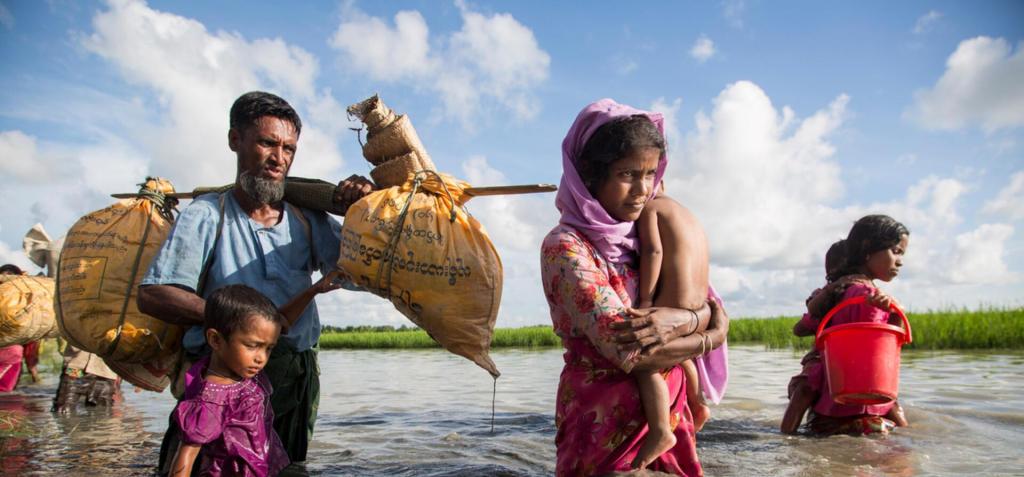
Political solutions for the Rohingya may take years, but childhood does not wait for diplomacy. While governments debate repatriation, citizenship, and the future of Rakhine State, hundreds of thousands of young Rohingya are growing up with their education left to chance. Learning is a right owed to every child, and it cannot be postponed until the conflict ends.
Every year that passes in displacement is a year taken from a child who cannot get it back. Nine years after the mass exodus of 2017, a generation of Rohingya children has grown up in crowded camps, and many have known no other home. Their future is being decided by delay, and delay is a policy choice, whether anyone admits to making it.
Learning Is Not a Luxury
Education is often treated as secondary to food, shelter, and medical care in a refugee emergency. That thinking made sense in the first weeks of a crisis. It does not make sense in the ninth year.
Rohingya children have faced limits on formal schooling, uncertain curricula, shortages of trained teachers, and the constant pressure of funding cuts. Many adolescents have little to look forward to after primary level. Without meaningful learning and skills, young people become more vulnerable to exploitation, early marriage, trafficking, and dangerous journeys by sea. These are the predictable results of leaving a young population without direction.
Recognition Matters
Education systems need certification, continuity, and credibility. Children who study without recognized qualifications may find that years of effort cannot be proven to a university, an employer, or an aid agency. Whether Rohingya return to Rakhine, remain in Bangladesh, or find a future elsewhere, they will need skills and credentials that carry weight.
Governments and humanitarian agencies should agree on accredited curricula, including language instruction that serves children both now and in the future. Teachers from within the community should be trained, supported, and paid fairly. Rohingya parents and educators must have a real voice in how schools are run.
Girls and Young Women Must Not Be Forgotten
Girls face the steepest barriers: safety concerns, social pressure, and the lack of schools and learning spaces that families consider secure. When girls are kept out of school, the harm spreads across families and communities for decades. Programmes should include safe transport and learning spaces, female teachers, and flexible options for adolescents.
Funding Must Match the Need
Humanitarian funding for the Rohingya response has been shrinking while needs persist. Education is often among the first services to feel the strain. Donors should treat it as a core part of protection, not an optional extra. Predictable multi-year funding would allow agencies to plan, keep teachers, and build programs that last, rather than lurching from one budget cycle to the next.
Bangladesh has carried a heavy burden in hosting refugees, and the international community must share it in practice and not only in statements. Supporting education also benefits host communities, where stability depends on young people who have hope.
Preparing for Any Future
Education is also an investment in whatever solution eventually appears. A safe, voluntary, and dignified return will require people who can rebuild as teachers, health workers, engineers, administrators, and community leaders. Lasting peace in Rakhine will depend on a generation that can take part in it as equals.
A Debt That Grows Daily
The Rohingya crisis will not be solved by schooling alone. It needs peace, rights, citizenship, and accountability. But waiting for those goals while children go without education only deepens the damage.
A child’s mind cannot be put on hold until politics catches up. The world should stop treating Rohingya children as a problem to be managed and start treating them as people whose talents are being wasted. Every day without learning adds to a debt that someone will eventually have to pay, and the young people are the ones paying it now.


Leave a Reply