
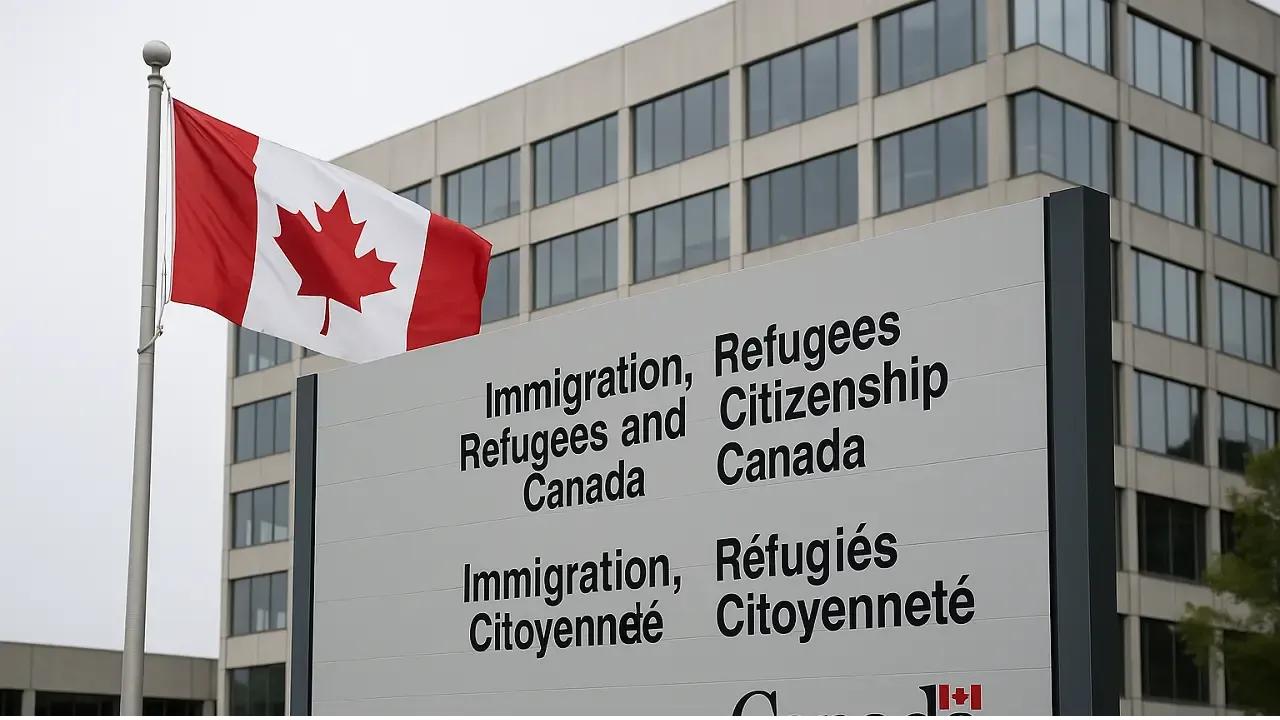
New eligibility restrictions and processing changes put applicants’ timing and access to legal guidance in focus for people seeking protection.

Photo credit: IRCC / Government of Canada.
By Arakan Journal Staff – November 11, 2026
OTTAWA, November 11, 2026—Canada’s new asylum rules are changing eligibility requirements and the way refugee claims are processed, raising questions for Rohingya asylum seekers and others fleeing persecution and conflict about how and when they can seek protection.
The reforms follow Bill C-12, the Strengthening Canada’s Immigration System and Borders Act, which became law on March 26, 2026. Additional regulations modernizing the asylum process took effect on November 3.
Immigration, Refugees and Citizenship Canada (IRCC) says the changes are intended to improve processing efficiency, reduce delays, and maintain open access to protection for those who need it.
New limits on eligibility
Under the new rules, certain claims may be ineligible for referral to the Immigration and Refugee Board of Canada if they are submitted more than one year after a person’s first entry into Canada, where that entry occurred after June 24, 2020.
There’s a further restriction for individuals crossing the Canada-United States land border between official ports of entry. Claims made more than 14 days post-entry may not be eligible.
The rules include exceptions for unaccompanied minors and certain other circumstances specified by the government. How the restrictions and exceptions apply will depend on a claimant’s individual circumstances.
The processing changes also introduce a single online application process, clearer deadlines for submitting information and evidence, earlier screening procedures, and additional support for vulnerable claimants.
What the changes mean for Rohingya asylum seekers
For Rohingya fleeing persecution in Myanmar, the reforms bring application timing and eligibility into sharper focus. The community has faced decades of discrimination, restrictions on citizenship, and repeated displacement.
Rohingya who have previously entered Canada, as well as those considering seeking asylum, may need qualified guidance to understand how their entry history and the timing of a claim interact with the new rules.
Access to immigration lawyers, legal aid, and settlement organizations is particularly important for people navigating unfamiliar procedures or facing language barriers. Those services can help claimants understand application requirements, deadlines, and available assistance.
Family reunification and sponsorship are separate pathways
The asylum system reforms should not be confused with the rules on family sponsorship or refugee resettlement. Canada’s protection system includes in-country asylum claims, government-assisted resettlement, and private sponsorship of refugees.
Family reunification and private sponsorship remain important avenues for refugees seeking safety. The effect on any one family or sponsorship application depends on the immigration program and its eligibility criteria, not just changes to asylum processing.
Accessible information remains essential
Refugee communities need accurate, accessible, and clear information about the differences between immigration pathways to understand the changes. Language barriers and lack of access to legal information can make it difficult to navigate the system.
Community organizations, settlement agencies, and legal assistance providers can help newcomers understand their rights and the steps required to seek protection. For Rohingya asylum seekers, that guidance remains important amid continuing instability and human rights concerns in Myanmar.
While the federal government presents the reforms to make the system more efficient, its application of individual claims makes prompt, qualified advice a central concern for people seeking refuge.
Source note: Adapted from the report provided to Arakan Journal, which cites Immigration, Refugees and Citizenship Canada, November 3, 2026, and the Government of Canada’s “Changes to Canada’s Asylum Process in 2026.” The cited materials and legal details have not been independently verified for this draft.


Leave a Reply