
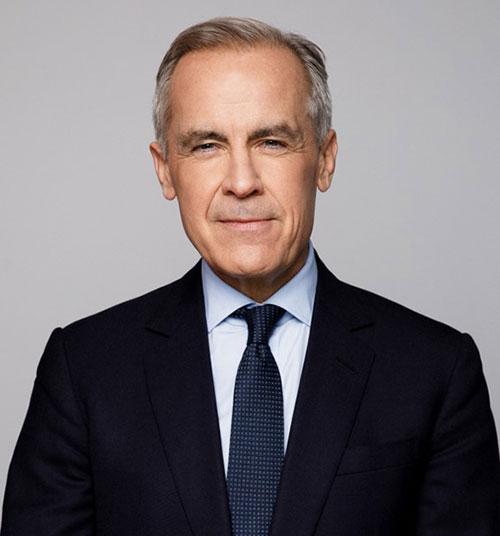

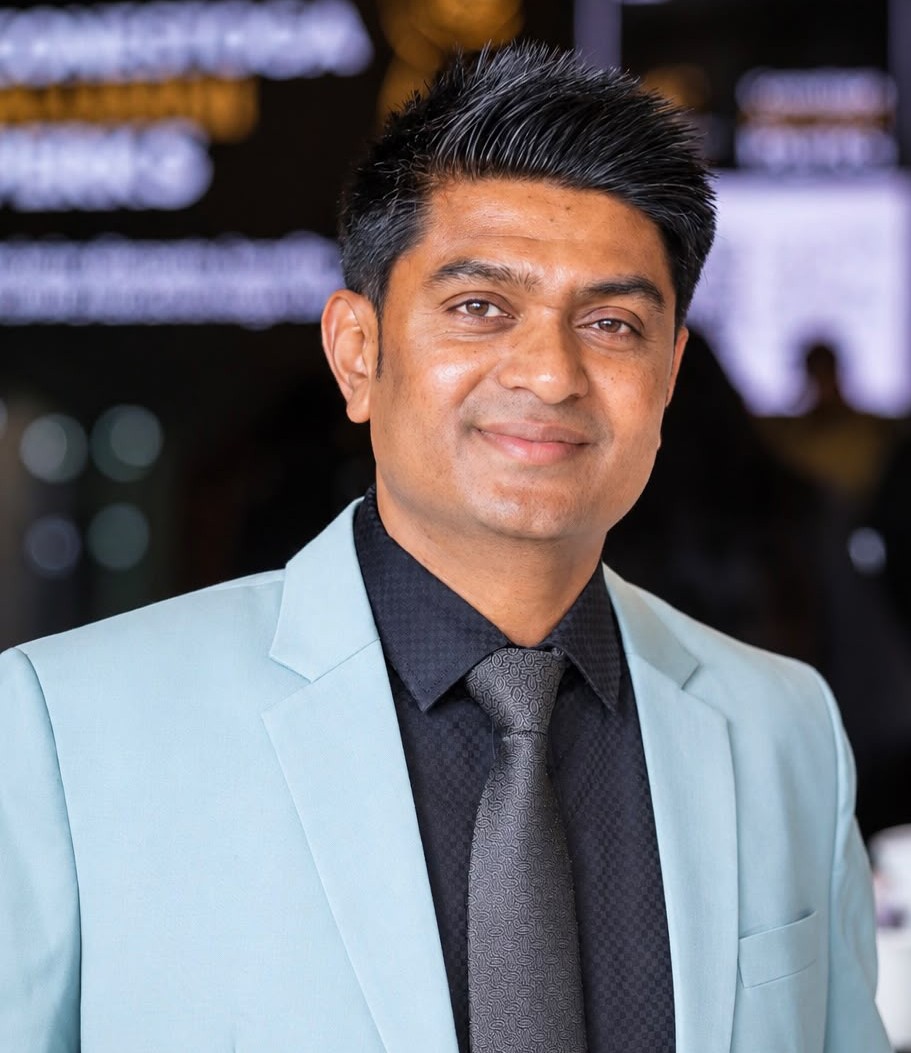
Canadian Prime Minister Mark Carney.
By Arakan Journal Staff – November 13, 2026
OTTAWA, Canada—Canada is facing renewed calls to strengthen its support for Rohingya refugees as Prime Minister Mark Carney prepares to attend a Southeast Asian leaders’ summit in the Philippines, amid concerns about prolonged displacement and declining international assistance.
Randeep Sarai, Canada’s secretary of state for international development, said the federal government remains committed to helping Rohingya refugees who fled persecution in Myanmar and sought shelter in Bangladesh.
“They know that Canada is there for them,” Sarai told The Canadian Press, recalling his visit to Cox’s Bazar in October, home to the world’s largest refugee settlement.
During the visit, Sarai met children who were born in the camps nearly a decade ago and have spent their entire lives in displacement.
“They’ve only seen one life, which is at a refugee camp,” he said.
The crisis escalated in August 2017, when a military campaign in Myanmar forced approximately 700,000 Rohingya to flee to neighboring Bangladesh. Human rights organizations have documented allegations of widespread killings, sexual violence, and the destruction of villages. Myanmar authorities have denied accusations of genocide.
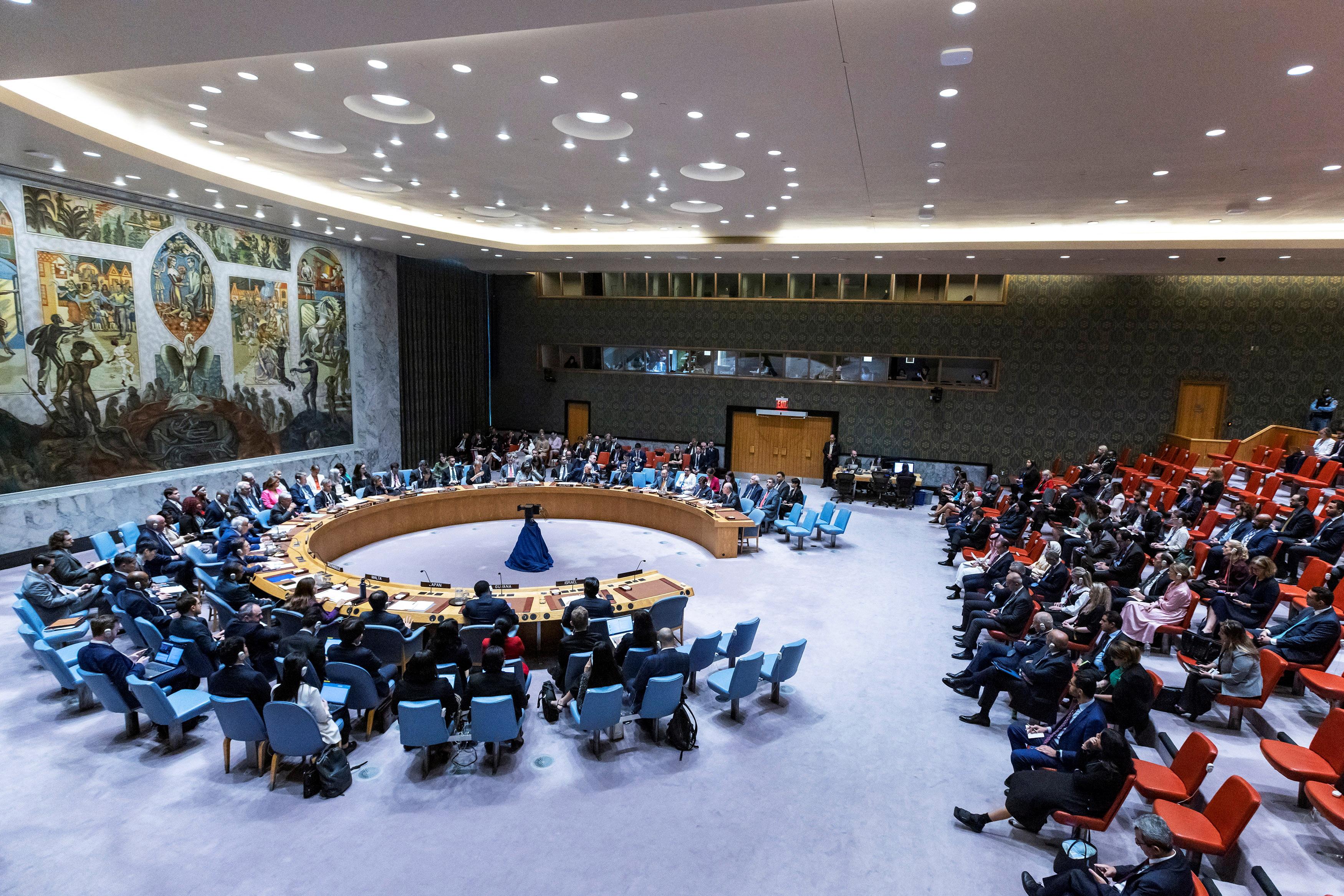
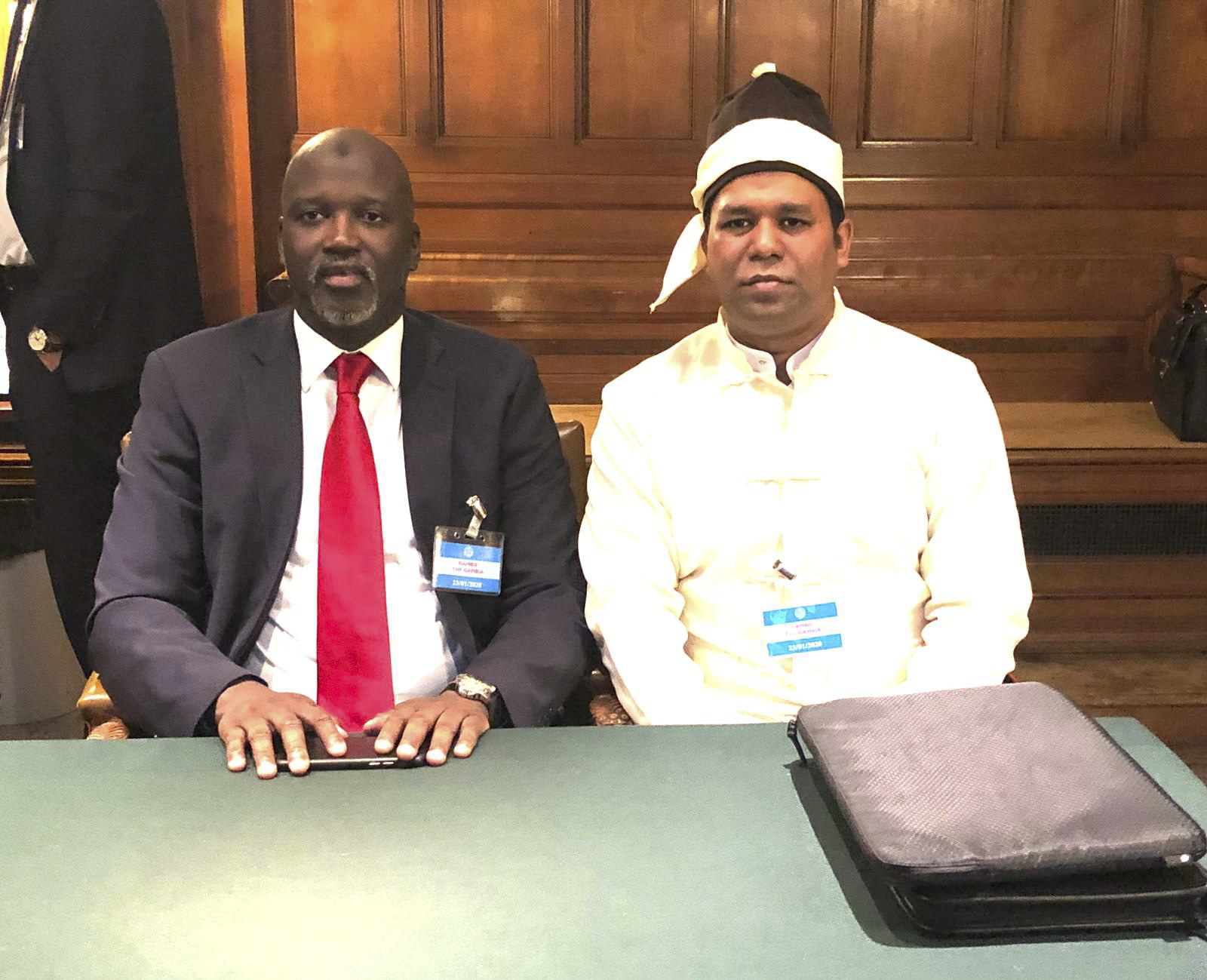
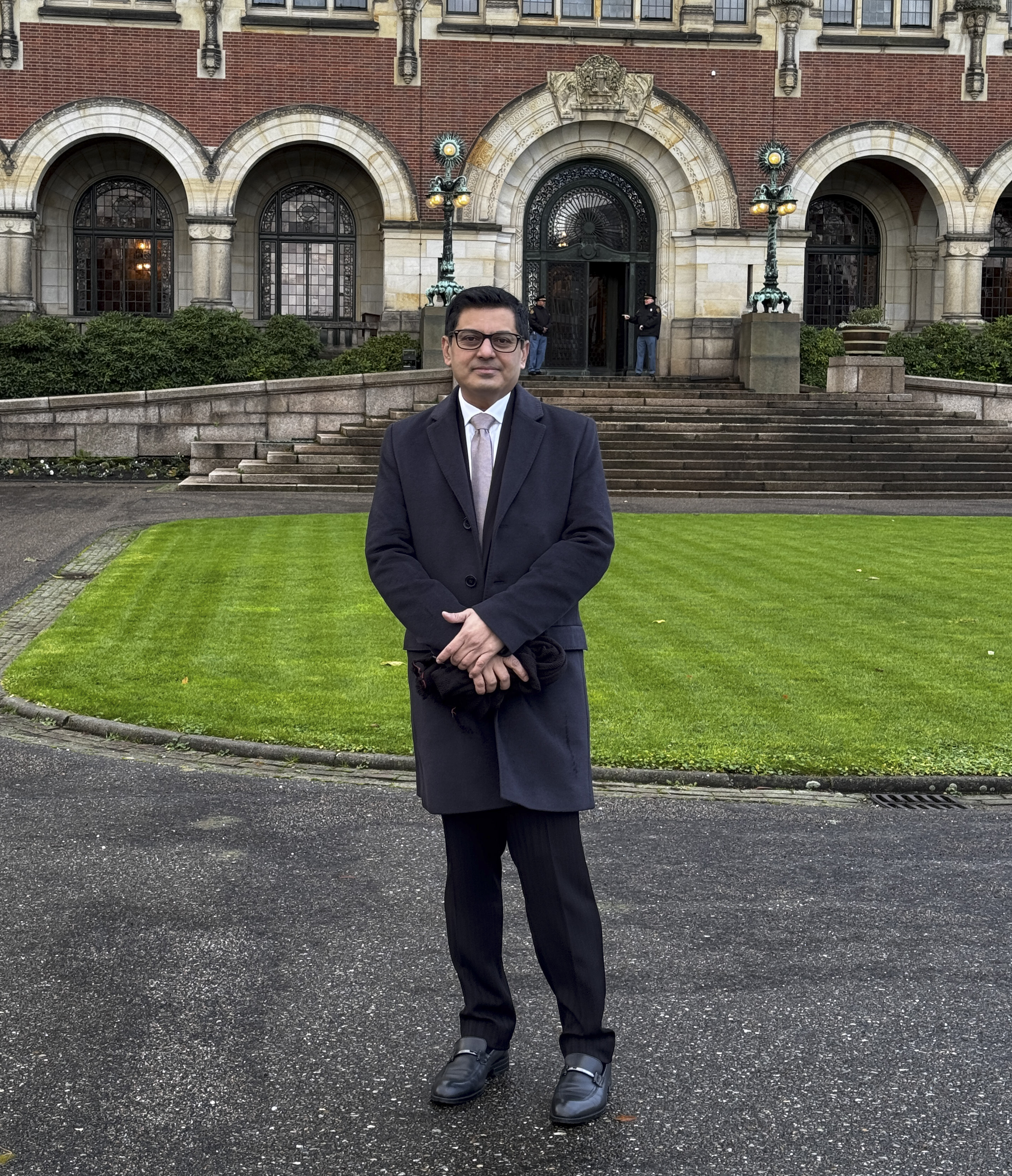
The Canadian Press report states that the International Court of Justice is expected to issue a ruling later in November in the case brought by The Gambia accusing Myanmar of violating the Genocide Convention.
The humanitarian situation remains precarious. Amnesty International reported in October that between 150 and 700 Rohingya refugees were arriving in Bangladesh each week, underscoring continued displacement from Myanmar.
Bob Rae, a former Canadian ambassador to the United Nations who also served as Canada’s special envoy to Myanmar, warned that international attention to the Rohingya crisis has faded as other global conflicts have taken priority.
Rae said Canada’s financial support for Rohingya-focused programs has declined since the crisis began in 2017. Canada incorporated its Rohingya-specific programming into broader humanitarian assistance initiatives in 2024, after its previous response plan expired earlier that year.
He argued that Canada must increase its financial commitment and diplomatic engagement to maintain its credibility as a security and development partner in Southeast Asia. He also called for greater involvement from regional powers, particularly India and China.
Rae said he continues to receive messages from Rohingya refugees seeking financial assistance for education programs and other essential initiatives.
Carney is scheduled to arrive in Manila on Saturday for the Association of Southeast Asian Nations (ASEAN) leaders’ summit. Trade arrangements and regional security are expected to feature prominently, alongside the Rohingya crisis and wider instability in Myanmar.
ASEAN adopted a five-point consensus in 2021, calling for an end to violence, dialogue among conflicting parties, mediation, humanitarian assistance, and the appointment of a special envoy. However, violence has continued across Myanmar.
Sarai urged ASEAN member states to take greater responsibility for addressing the crisis and to press Myanmar to create conditions for the safe return of Rohingya refugees.
Stéphanie Martel, a professor at Queen’s University, said Myanmar would remain an important issue at the summit but expressed doubts about the prospects for meaningful progress. She identified ASEAN’s principle of non-interference in members’ domestic affairs as a major obstacle to coordinated action and noted Canada’s limited influence over developments inside Myanmar.
The crisis has extended beyond Bangladesh, with Rohingya refugees and others fleeing Myanmar seeking safety across Southeast Asia. Malaysia hosts approximately 126,000 Rohingya as undocumented migrants, while concerns have also grown over human trafficking and forced labor linked to scam operations in Myanmar.
UN humanitarian chief Tom Fletcher said he regularly raises the Rohingya crisis with foreign ministers from ASEAN countries. Describing it as a prolonged and costly humanitarian emergency, he said the ultimate objective must be the voluntary return of refugees to Myanmar under safe conditions.
“There has to be a horizon where we can see a pathway to that,” Fletcher said, adding that Rohingya refugees do not currently believe conditions are safe enough for them to return.
Sarai said Canada continues to support programs that help Rohingya refugees develop practical skills and improve their living conditions in Bangladesh.
During his visit to Cox’s Bazar, he observed initiatives in supporting women’s economic opportunities, including training to establish childcare services, as well as programs helping young people preserve their language and cultural identity.
He also highlighted the resourcefulness of refugees, who have developed solar-powered electricity systems and small businesses, including shoe production, motorcycle repairs, and bicycle maintenance.
Sarai said Canada wants refugees to acquire skills that could help them become self-reliant during displacement and, eventually, after returning to Myanmar. He added that many Rohingya remain determined to return to their homeland.
For Rohingya refugees, a lasting return will depend on security, recognition of their rights, and guarantees that they can live safely and with dignity in Myanmar.
Source: The Canadian Press
Leave a Reply