
State Minister Humaiun Kobir says only a political solution can end the Rohingya displacement crisis
DHAKA, Bangladesh – September 10, 2026 – Bangladesh is preparing to engage with China and Myanmar as part of efforts to address the protracted Rohingya crisis, State Minister for Foreign Affairs Humaiun Kobir said, as Dhaka continues to seek a lasting solution to the displacement of Rohingya refugees.
Kobir said the crisis cannot be resolved through humanitarian measures alone and stressed that a political solution is necessary to bring an end to the decades-long displacement of the Rohingya. His comments come as Bangladesh continues to host a large Rohingya refugee population while the situation inside Myanmar remains deeply unstable (The Daily Star)
China and Myanmar in focus
Bangladesh’s decision to engage China reflects Beijing’s potential influence over Myanmar and its role in regional diplomacy. Dhaka has previously sought China’s involvement in efforts to facilitate the return of Rohingya refugees to Myanmar.
Myanmar remains central to any long-term solution because the Rohingya crisis originated in the persecution and displacement of the Rohingya population from Myanmar’s Rakhine State.
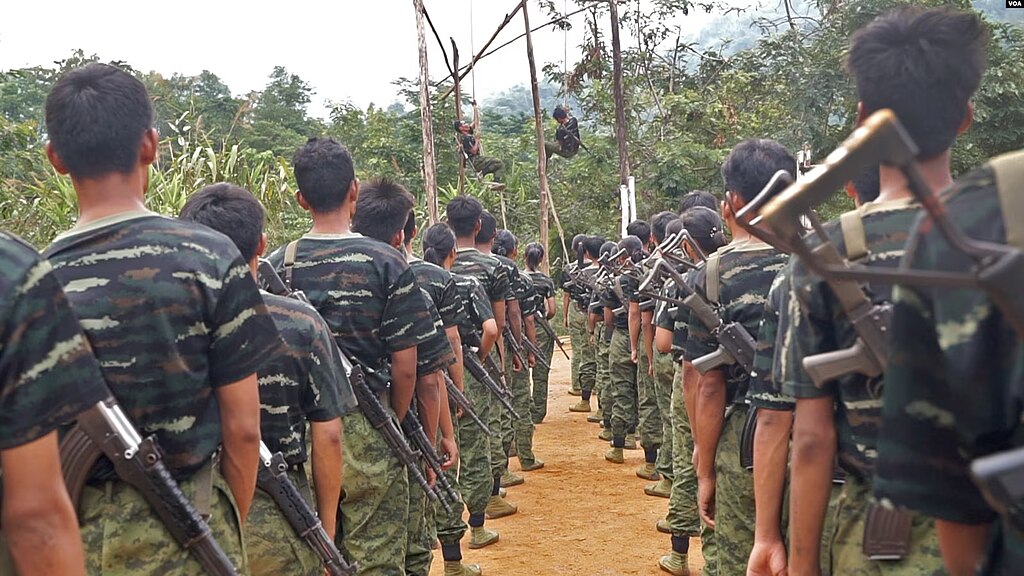
However, conditions inside Myanmar remain a major obstacle to large-scale return. Continued conflict and insecurity have raised serious questions about whether refugees can return safely and whether their fundamental rights can be guranteed.
Political solution needed
Kobir’s comments highlight Bangladesh’s position that humanitarian assistance, while essential, cannot by itself resolve the crisis.
A sustainable solution would require addressing the political and security conditions that have prevented Rohingya refugees from safely returning to their homeland.
For the Rohingya, questions surrounding citizenship, security, freedom of movement, political rights and protection from persecution remain central to any discussion about return.
Refugees remain in prolonged uncertainty
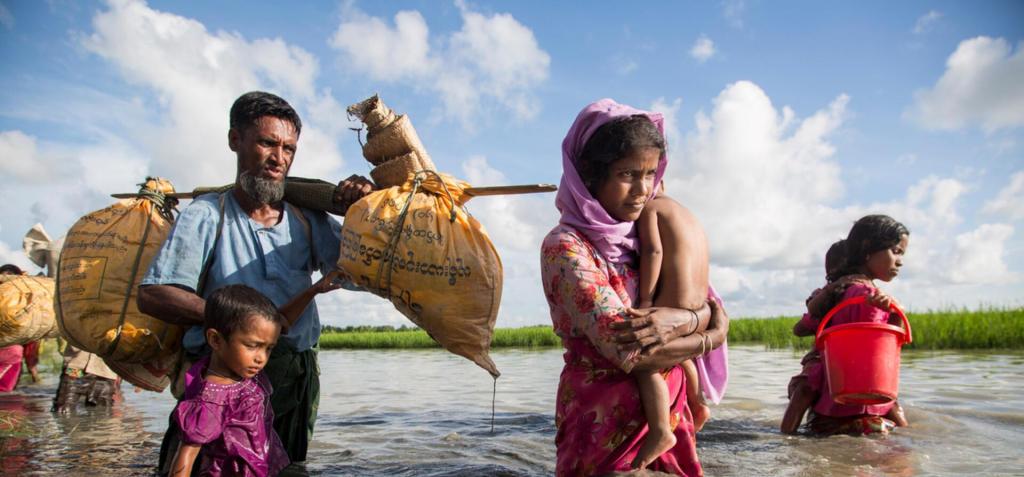
Hundreds of thousands of Rohingya refugees fled Myanmar during the 2017 military crackdown, while earlier waves of displacement have also contributed to the large refugee population in Bangladesh.
Years later, many refugees remain in camps in Cox’s Bazar, dependent on humanitarian assistance and facing uncertainty over their furture.
The continuing crisis has placed significant humanitarian, economic and security pressures on Bangladesh while international funding and attention remain under strain.
The road ahead
Bangladesh’s planned engagement with China and Myanmar could provide another diplomatic channel for addressing the Rohingya crisis. But whether those discussions produce concrete progress will depend on the willingness of Myanmar and other influential actors to address the political roots of the crisis.
For Rohingya refugees, the ultimate measure of diplomatic will not simply be the number of meetings held, but whether those efforts create conditions for a safe, voluntary, dignified and sustainable return with fundamental rights and security guaranteed.
Arakan Journal will continue to follow developments concerning the Rohingya crisis, Bangladesh’s diplomatic efforts and the situation in Rakhine State.
By Arakan Journal News Desk
September 10, 2026 – Dhaka, Bangladesh


Leave a Reply