Rakhine power struggle raises questions over governance, accountability and the rights of the Rohingya
By Arakan Journal – September 15, 2026
SITTWE, Myanmar — Myanmar is entering a new political phase as its prolonged conflict moves beyond a straightforward confrontation between the military and armed resistance groups, raising broader questions over who will exercise power, how the country will be governed and whether its ethnic communities will have a meaningful role in shaping its future.
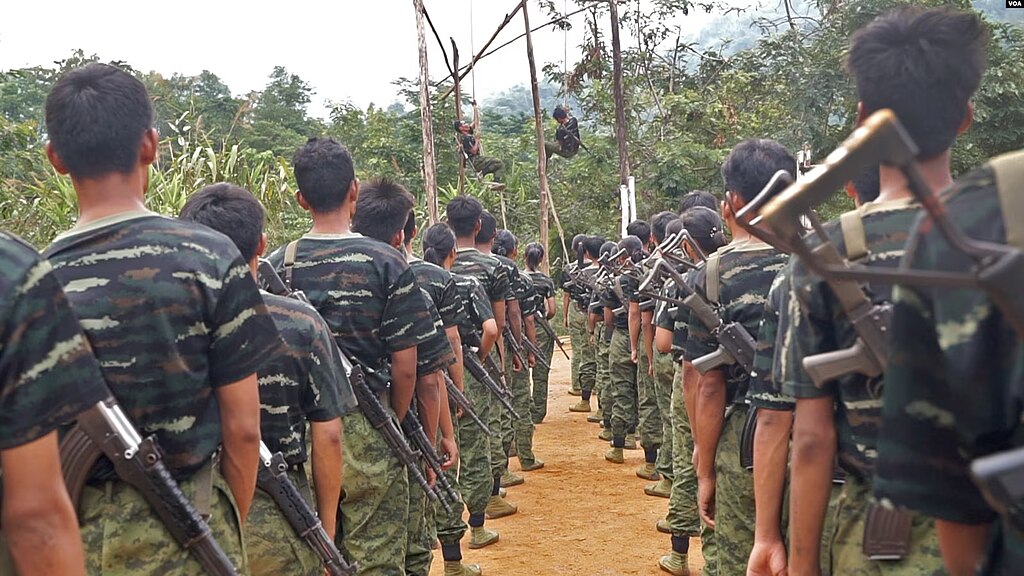
The changing political and military landscape is particularly significant in Rakhine State, where the Arakan Army (AA) has emerged as the dominant armed force across large areas while the Myanmar military continues fighting the group and retains significant military capabilities.
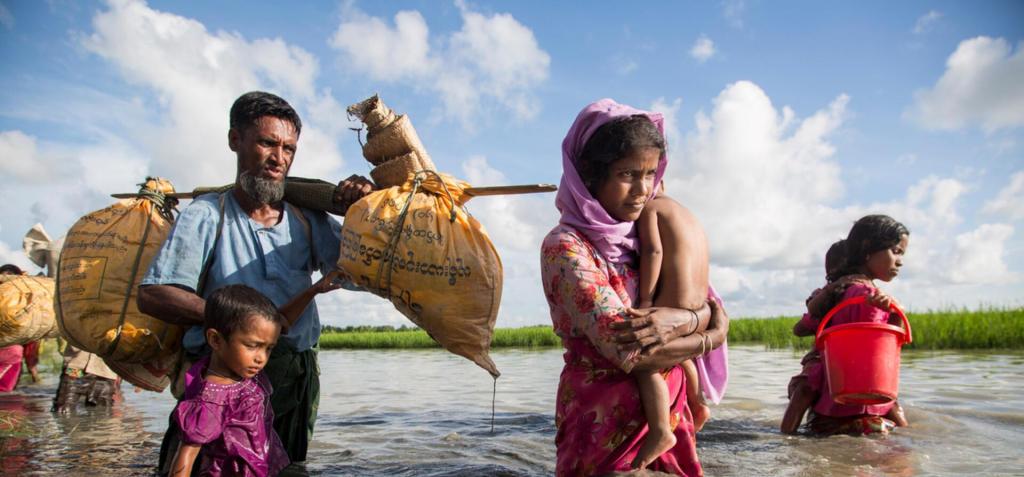
Caught between the competing forces are the Rohingya, who have faced decades of discrimination, persecution and statelessness, as well as dispossession and mass displacement.
The situation has renewed international concern over civilian protection and the political conditions that would be required for any sustainable solution to the Rohingya crisis.
UN rights chief warns of renewed atrocities
UN High Commissioner for Human Rights Volker Türk warned on September 7 of serious human rights challenges in Myanmar as he addressed the opening of the 63rd session of the UN Human Rights Council in Geneva. The UN said Türk’s global update highlighted growing armed conflicts and declining respect for international human rights and humanitarian law.
The warning was also highlighted in a September 2026 analysis published by The Daily Star, titled “Myanmar’s deteriorating crisis and the political future of the Rohingya,” written by Mohammed Siraj. The article argues that the international response needs to look beyond humanitarian assistance and address the political causes of the Rohingya crisis.
According to the analysis, international and state responses should include accountability for violations by both the AA and Myanmar’s military, restrictions on arms and ammunition transfers where there is a risk they could facilitate violations, measures concerning aviation fuel and related technologies, and stronger civilian protection.
Repatriation alone cannot resolve the crisis
The Rohingya crisis has frequently been discussed in terms of the potential repatriation of refugees from Bangladesh to Myanmar. But questions surrounding citizenship, security, freedom of movement, political participation and property rights remain central to any sustainable return.
The Daily Star analysis argues that repatriation should be an outcome of a broader political settlement, not a substitute for one. It also says any return should be voluntary and accompanied by credible guarantees concerning security, citizenship, political participation, property and fundamental rights.
For Bangladesh, which hosts a large Rohingya refugee population, the issue also carries significant humanitarian and diplomatic consequences.
AA’s rise changes Rakhine’s political landscape
The Arakan Army’s expanding territorial control has created a new political reality in Rakhine State.
The Daily Star analysis says the AA’s effective control over large parts of Rakhine requires international actors to consider engagement on issues including humanitarian access, civilian protection, property rights, freedom of movement and displacement. At the same time, it distinguishes engagement from formal political recognition of the armed group.
The analysis argues that any authority exercising power over civilians should be expected to uphold international humanitarian and human rights standards, regardless of whether that authority is the Myanmar military, the AA or another political or armed organization.
Accountability remains central
Accountability is another major challenge.
The Daily Star analysis argues that violations of international humanitarian law should be investigated and that individuals or entities responsible for serious violations should face accountability under applicable international law. It also calls for international controls on arms and other transfers where there is a risk that they could facilitate serious violations.
For the Rohingya, accountability is closely connected to the possibility of safe and sustainable return. Land and property left behind by displaced families, as well as citizenship and political rights, remain among the unresolved issues that any future settlement would have to address.
Rohingya participation in Myanmar’s political future
The debate over Myanmar’s future is increasingly linked to the question of how power will be distributed among the country’s ethnic communities.
The Daily Star analysis suggests that a more decentralized federal political system could provide a framework for sharing power among federal, state and local institutions. It also stresses that federalism alone would not resolve longstanding grievances if marginalized communities continued to be excluded from political decision-making.
For the Rohingya, meaningful participation in discussions concerning citizenship, land, security, governance, political representation and return would therefore be critical.
The analysis argues that Rohingya representatives should have a role in determining their political future rather than having decisions made exclusively by governments, armed organizations or international institutions.
Regional powers face a changing landscape
The crisis also has implications beyond Myanmar’s borders.
The conflict has contributed to refugee displacement and other cross-border challenges affecting neighbouring countries. The Daily Star analysis argues that ASEAN, along with regional powers such as China and India, will have an important role in any future diplomatic effort.
It says engagement with actors exercising territorial and political influence may be necessary to improve humanitarian access, protect civilians and create conditions for a broader political process, while maintaining civilian protection and fundamental rights as core principles.
A political solution remains the longer-term challenge
For the Rohingya, the central issue is not simply whether refugees will eventually cross back into Myanmar, but the conditions under which such a return could take place.
A sustainable solution would require more than physical relocation. It would involve questions of legal status, citizenship, security, property, freedom of movement, political participation and protection from discrimination.
As Myanmar’s conflict continues to reshape the country’s political landscape, the future of Rakhine State and the Rohingya is increasingly tied to the larger question of what political order will emerge from the conflict.
For international actors, the challenge is therefore twofold: protecting civilians from immediate harm while supporting conditions for a political settlement that addresses the underlying causes of displacement and exclusion.
Source: The Daily Star, “Myanmar’s deteriorating crisis and the political future of the Rohingya,” by Mohammed Siraj, September 2026; United Nations Office at Geneva, Volker Türk’s Global Update to the 63rd session of the UN Human Rights Council, September 7, 2026.


Leave a Reply