Statement by Arakan Journal – September 17, 2026
KUALA LUMPUR — September 17, 2026
Arakan Journal expresses serious concern over Malaysian Prime Minister Anwar Ibrahim’s decision to invite Myanmar leader Min Aung Hlaing to Malaysia as part of efforts to accelerate the repatriation of Rohingya refugees from the country.
Anwar said on September 16 that he planned to invite Min Aung Hlaing for an official visit and that Malaysia wanted Myanmar to gradually accept its refugees back. Malaysia has also been pursuing a phased repatriation arrangement involving thousands of Myanmar nationals, including Rohingya.
For the Rohingya, however, the question is not simply whether Myanmar is willing to receive them. The fundamental question is whether they can return voluntarily, safely, with dignity and with their fundamental rights protected.
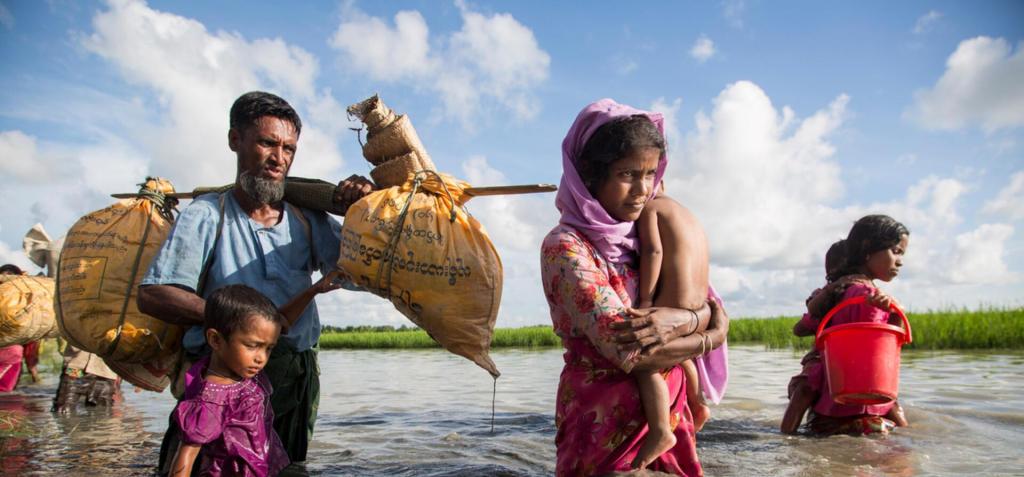
Most Rohingya refugees in Malaysia did not leave Myanmar for economic reasons. Many fled after decades of persecution and discrimination, culminating in the 2017 military crackdown in Rakhine State that drove hundreds of thousands of Rohingya across the border into Bangladesh. The Myanmar military has been widely accused of atrocities against the Rohingya, allegations it has denied.
Against this background, the decision to invite Min Aung Hlaing, the former head of Myanmar’s armed forces who led the military during the 2017 campaign, has raised serious human rights concerns. Amnesty International Malaysia said on September 17 that refugees cannot return safely, voluntarily and with their rights protected while the risks of persecution, violence and other serious violations remain.
Arakan Journal believes that diplomatic engagement should not come at the expense of refugee protection. Any discussion about repatriation must address the conditions that caused the Rohingya to flee in the first place.
Arakan Journal contacted Rohingya refugees living in Malaysia to hear their views. Several said they want to return home but only when it is genuinely safe, and their rights are guaranteed. They said they would consider returning to Myanmar if their lives and security were protected and if their citizenship and fundamental rights were ensured.
This distinction is crucial. A desire to return home should not be interpreted as consent to return under unsafe or uncertain conditions.
The Rohingya’s demand to return to their homeland is fundamentally different from being compelled to return. A sustainable repatriation process should therefore include credible guarantees of physical safety, freedom from persecution, access to healthcare and essential services, and recognition of the Rohingya’s rights and citizenship.
Anwar Ibrahim has said that any return should be accompanied by conditions including an end to violence against returning refugees and access to medical facilities. Those commitments must translate into independently verifiable protections on the ground before large-scale returns can be considered sustainable.
The Rohingya have repeatedly expressed their desire to return to their homeland when conditions permit. Their message is clear: they want to go home, but they want to go home safely, voluntarily and with their rights protected.
Arakan Journal urges all governments and international actors involved in the repatriation process to place the safety, dignity, citizenship rights and informed consent of the Rohingya at the centre of every decision.
The goal should not simply be to move refugees from one country to another. The goal should be to create conditions in which the Rohingya can return to their homeland safely, voluntarily and with dignity — and remain there with their rights protected.



Leave a Reply