By Arakan Journal Staff
September 21, 2026
DHAKA – The Republic of Korea has contributed US$ million to the United Nations World Food Programme (WFP) to support food assistance, nutrition services, and school feeding programmes for Rohingya refugees in Bangladesh.
The funding will enable WFP to assist more than 462,000 Rohingya refugees, including vulnerable families receiving food assistance, pregnant and breastfeeding women requiring nutritional support, and children attending learning centres.
According to WFP, more than 36,000 pregnant and breastfeeding women are expected to receive nutrition assistance, while approximately 260,000 children attending learning centres will benefit from school feeding programmes.
The contribution will also support the second phase of REACH – Responding with Emergency Assistance for Conflict-affected Households, a humanitarian initiative of South Korea’s Ministry of Foreign Affairs implemented in partnership with WFP.
Through WFP’s e-voucher system, Rohingya families can select food according to their household needs. The program also provides nutrition services for women and children and fortified food through school feeding activities.
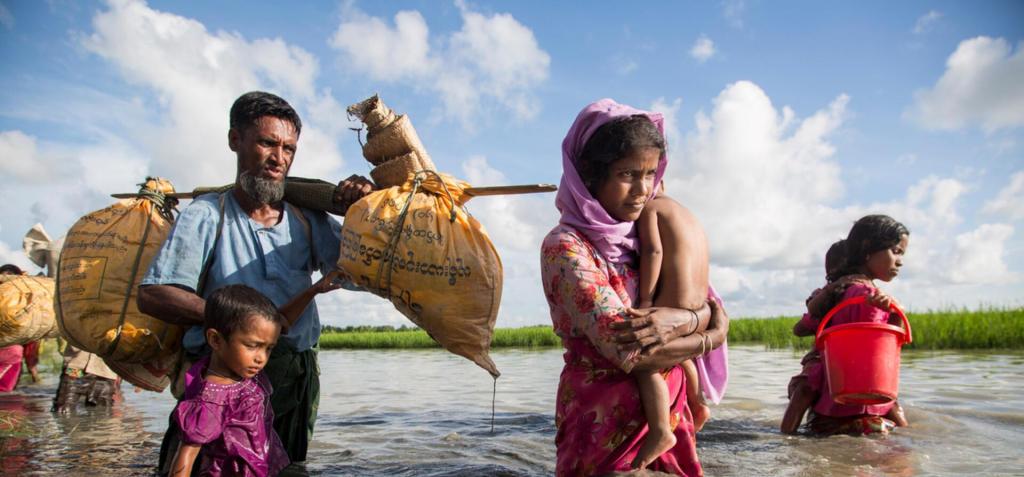
Nearly 1.2 million Rohingya refugees in Cox’s Bazar and Bhasan Char continue to rely on humanitarian assistance, while food insecurity, malnutrition and funding pressures remain major challenges for the Rohingya response.
Republic of Korea Ambassador to Bangladesh Kim Ji-joon said the country was committed to supporting people affected by humanitarian crises, including Rohingya refugees.
WFP Bangladesh Representative and Country Director Coco Ushiyama said continued international assistance was essential as the Rohingya crisis approaches its tenth year, stressing the importance of protecting lives, dignity and access to basic food and nutrition.
The latest funding comes as humanitarian agencies continue to call for sustained international support for Rohingya refugees in Bangladesh, where the prolonged displacement crisis remains unresolved, and conditions in Myanmar continue to complicate prospects for safe and sustainable return.



Leave a Reply