
By Arakan Jour Staff
September 21, 2026
NEW YORK – United Nations General Assembly President Dr. Khalilur Rahman has described the Rohingya crisis as a “grave human crisis,” calling for dialogue, negotiation, and collective international action to address the prolonged displacement of Rohingya refugees from Myanmar.
Speaking to UN News as the 81st session of the General Assembly entered its high-level week, Rahman said the suffering of the Rohingya demonstrates that violence cannot provide a lasting solution to conflicts.
He said countries need to negotiate and cooperate to address crises and find sustainable solutions.
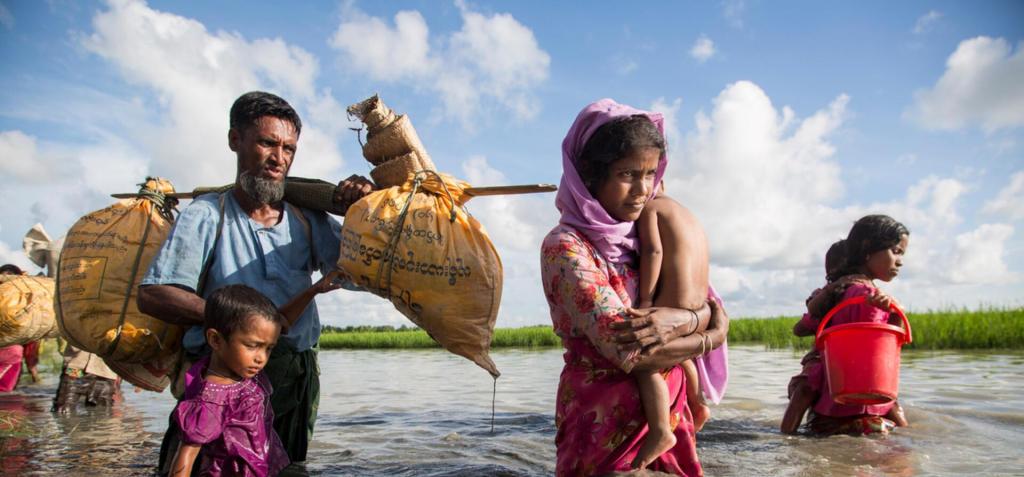
Rahman also referred to the persecution and displacement experienced by Rohingya communities, including attacks on homes and villages and the flight of civilians from Myanmar. At the same time, he highlighted the resilience of Rohingya refugees and their continuing desire to return to their homeland.
Bangladesh currently hosts more than 1.3 million Rohingya refugees in Cox’s Bazar and Bhasan Char, according to Bangladesh officials cited in the reporting.
The Rohingya crisis is expected to draw renewed international attention during the UN General Assembly’s high-level week. Bangladesh Prime Minister Tarque Rahman is scheduled to address the General Assembly on September 24, where he is expected to highlight the long-running refugee crisis and call for greater international cooperation.
Bangladesh is also scheduled to host a high-level side event on the Rohingya issue on September 23. The government has said it will seek stronger international support for creating conditions for the safe, voluntary, dignified, and sustainable return of Rohingya refugees to Myanmar.
Rahman, who is serving as president of the 81st General Assembly session, has made restoring trust in the United Nations a central theme of his presidency. He said the General Assembly provides a forum for world leaders to discuss conflicts and seek peaceful solutions.
The Rohingya crisis has still been unresolved since the mass displacement of Rohingya from Myanmar in 2917, while renewed conflict in Myanmar has added further uncertainty to prospects for a safe and sustainable return.
Source: UNB.


Leave a Reply