Rohingya teachers in Buthidaung receive lower monthly payments than some Rakhine colleagues, while trained Rohingya men say they have been assigned manual work
Arakan Journal Staff
September 22, 2026
BUTHIDAUNG, Rakhine State, Myanmar – Rohingya residents working in areas administered by the United League of Arakan and its armed wing, the Arakan Army (ULA/AA), have reported differences in pay and employment opportunities, raising concerns about the treatment of Rohingya workers under the groups’ administration.
According to reporting by Muslim Network TV, citing residents and Rohingya volunteer teachers in Buthidaung Township are receiving approximately 130,000 Myanmar kyats per month, while some Rakhine teachers receive about 200,000 kyats.
Rohingya residents have been recruited to provide education and other community services amid staffing shortages in areas under ULA/AA administration.
The reported wage difference comes as the Arakan Education Department is preparing to introduce a monthly payment of approximately 200,000 kyats for education workers, including volunteer teachers, beginning in late October. It remains unclear whether Rohingya teachers will receive the same amount under the new arrangement.
Concerns over work assignments
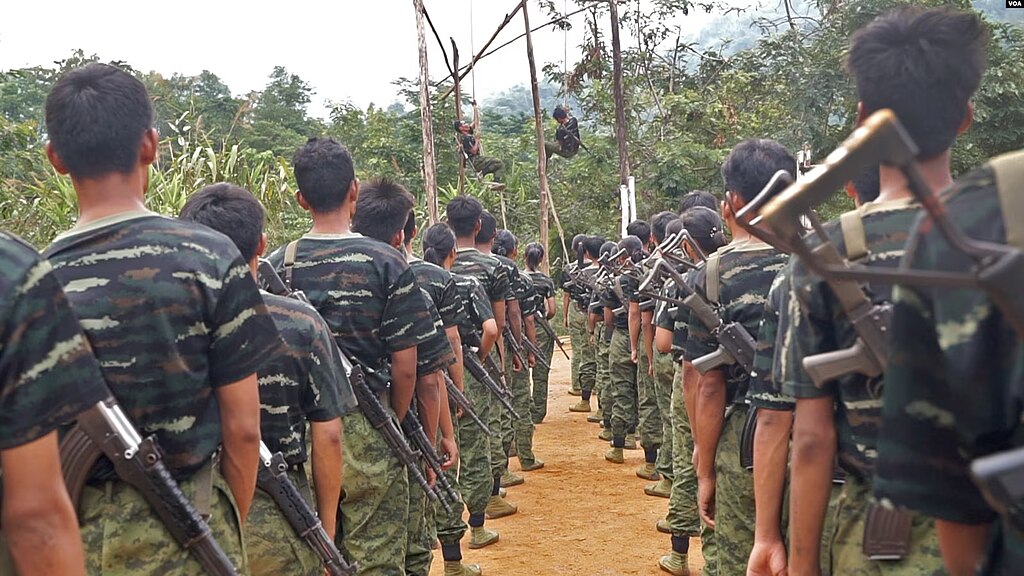
Separate accounts from Ywet Nyo Taung have also raised questions about the treatment of Rohingya men who have undergone military or security-related training under structures associated with the ULA/AA.
Residents cited in the report said some trained Rohingya men were after assigned to manual labor rather than being placed in formal military or administrative positions.
The reported work includes road construction, transporting rice, cutting bamboo, tree planting, gardening, and clearing structures for road projects.
The precise status of these workers, including whether they can decline such assignments, is still unclear. Some receive rice and cash allowances, although the details could not be independently verified.
Broader concerns over Rohingya rights
The reports come amid longstanding concerns about the treatment of Rohingya communities in northern Rakhine State.
Human rights organizations and United Nations investigators have previously documented allegations of forced recruitment, forced labor, arbitrary detention and other abuses affecting Rohingya in areas where the Arakan Army has expanded its control.
The Rohingya, a Muslim ethnic minority in Myanmar, have faced decades of restrictions and discrimination, including severe restrictions on citizenship and freedom of movement.
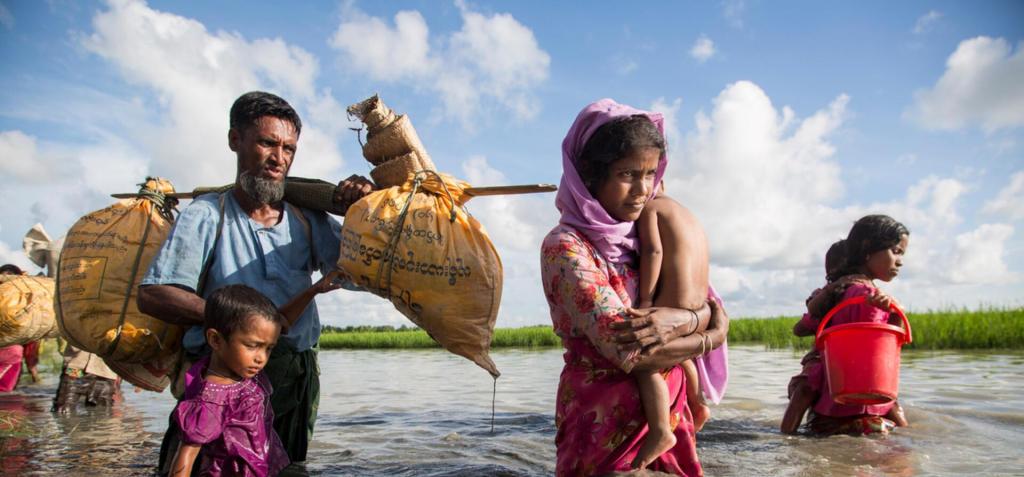
The crisis intensified dramatically in 2017, when Myanmar military operations drove more than 700,000 Rohingya across the border into Bangladesh.
The latest reports from Buthidaung and surrounding areas highlight continuing questions about equal treatment, employment opportunities, and the protection of Rohingya civilians under the evolving administration in Rakhine State.
Arakan Journal has not independently verified the reported wage differences, work assignments or payment arrangements described above. The allegations are attributed to the sources cited in the original reporting.


Leave a Reply