By Arakan Journal Staff
September 25, 2026
Crackdown on undocumented migrants and a controversial repatriation plan are raising concerns over whether Rohingya returns to Myanmar can truly be voluntary and safe.
YANGON, Sept. 25 – For year-old Ismail, returning to Myanmar from Malaysia has brought little relief. After leaving behind a livelihood at a fish market in Malaysia, he is now unemployed in Yangon and dependent on relatives for support.
Ismail, a Rohingya, fled Myanmar years ago but returned amid growing pressure on migrants in Malaysia, including arrests and rising anti-Rohingya sentiment. He stays without full citizenship in the country he has returned to.
“People without a country like us, we have nowhere to come back to,” he said, using a pseudonym for security reasons.
He said Rohingya remain among the most discriminated communities in Myanmar and described himself as “a person from nowhere.”
Malaysia is preparing to return 1,500 Myanmar nationals next week as part of a wider plan involving about 5,000 people who Kuala Lumpur says have agreed to return voluntarily from detention centres.
Malaysia’s foreign and home ministries have not said how many of those being returned are Rohingya.
The United Nations estimates that about 190,000 Myanmar refugees and asylum seekers are currently in Malaysia, with Rohingya making up a considerable proportion of that population.
Concern over voluntary returns
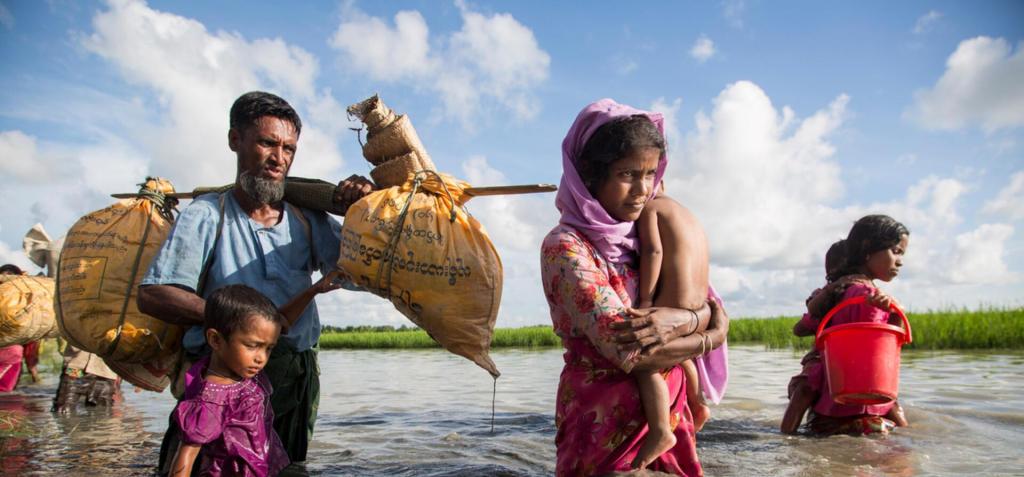
The Rohingya began fleeing Myanmar in large numbers in 2017 after a military crackdown in Rakhine State that involved killings, sexual violence, and the burning of villages. Rights organizations have described the campaign as ethnic cleansing, while Myanmar’s military has denied targeting civilians and said its operations were aimed at insurgents.
More than one million Rohingya now live in Bangladesh, while Malaysia has become another major destination for those seeking safety and livelihoods.
Years of efforts to repatriate Rohingya to Myanmar have faced major obstacles because of concerns over security, citizenship, and their rights.
Those concerns have intensified since Myanmar’s 2021 military coup, which plunged the country into a wider armed conflict.
Rights advocates have also raised questions about the conditions under which people held in Malaysia detention centres agree to return.
“Given the choice, I don’t think anyone wants to stay there,” said Yap Lay Sheng, a senior human rights specialist at Fortify Rights. They would rather risk their life and go back home.”
A UN official in the region, speaking anonymously because they were not authorized to speak publicly, warned that the Malaysia programme could create a precedent for other countries in the region.
“Other countries in the region could follow suit despite ongoing risks in Myanmar,” the official said.
Uncertain future in Myanmar
Myanmar’s authorities have pledged to give returnees a “safe and dignified” welcome. However, questions are still about where returnees will be taken and what their long-term status will be.
Rohingya activist Mohammad, 26, said he feared returning Rohingya could be sent to impoverished displacement sites in Rakhine State.
He also pointed to reports of deaths in displacement camps during a suspected cholera outbreak. He said Rohingya civilians stay vulnerable amid the conflict between Myanmar’s military and the Arakan Army.
“I feel extremely helpless,” he said.
While they do not count us as people, I still have my own life and hope because I was born human.”
Caught between two countries
Fortify Rights’ Yap said Rohingya were being placed in a difficult position between Malaysia’s immigration crackdown and Myanmar’s unresolved citizenship and security issues.
Malaysia’s Prime Minister Anwar Ibrahim has invited Myanmar leader Min Aung Hlaing to visit Malaysia as part of efforts to advance discussions over the return of Myanmar nationals, including Rohingya.
Min Aung Hlaing seized power in the 2021 military coup and later became Myanmar’s president. He has been identified in international legal proceedings and by rights organizations in connection with allegations surrounding the military’s treatment of the Rohingya. Myanmar’s military has rejected allegations of genocide.
The International Court of Justice is separately considering a case concerning allegations that Myanmar violated the Genocide Convention in its treatment of the Rohingya.
For Rohingya migrants in Malaysia, the choices stay difficult.
“I get a headache just thinking about where to go,” said 30-year-old Asif.
Arakan Journal, based on reporting by AFP


Leave a Reply