By Arakan Journal Staff – September 29, 2026
More than 1,400 Myanmar nationals are being repatriated under a voluntary program, while a rights group warns that conflict and instability could expose returnees to serious risks.
MANJUNG, Malaysia – September 29, 2026 – Malaysia on Tuesday began repatriating 1,476 Myanmar nationals, including women and children, despite warnings from the United Nations refugee agency and rights groups that continuing conflict and instability in Myanmar could make returns unsafe.
The group is the first batch of about 5,000 Myanmar nationals in Malaysia to return in stages. Malaysia’s Home Ministry said the returnees include 1,370 men, 79 women, 20 boys and seven girls, aged 8 to 60.
Buses believed to be carrying the returnees arrived at a stadium in Manjung, Perak, Malaysia, under heavy security. Ships believed to be from Myanmar were also seen at the nearby Lumut naval base.
Malaysia’s Home Ministry said the returnees would be transported to Myanmar aboard two Myanmar Navy vessels and a hospital ship, describing the programme as voluntary.
However, the identities and individual circumstances of the returnees have not been fully disclosed. It is also unclear whether any of those being repatriated are Rohingya, a Muslim ethnic minority that Myanmar does not recognize as one of the country’s official ethnic groups and whose citizenship rights remain heavily restricted.
UN and rights groups raise concerns
The United Nations High Commissioner for Refugees (UNHCR) and rights organizations have raised concerns over the repatriation, pointing to Myanmar’s ongoing armed conflict and humanitarian crisis.
Rights groups have warned that people returned to Myanmar could face risks including persecution, insecurity and possible forced military conscription in areas affected by conflict.
Myanmar has remained embroiled in armed conflict and political instability since the military seized power in February 2021, with fighting continuing across several parts of the country.
Malaysia’s Home Ministry, meanwhile, said the repatriation programme is part of a broader effort to address irregular migration and undocumented foreign nationals through repatriation, law enforcement and improved registration and data collection.
Malaysia hosts about 215,600 refugees and asylum seekers registered with UNHCR, including approximately 126,000 Rohingya, making the country one of the largest destinations for the Rohingya refugee population in Southeast Asia.
Malaysia is not a party to the 1951 UN Refugee Convention and treats refugees and asylum seekers as undocumented migrants.
The government has also introduced a system to register refugees and asylum seekers and establish a biometric database as part of efforts to manage the population independently of UNHCR.
Rohingya remain at the center of the return debate
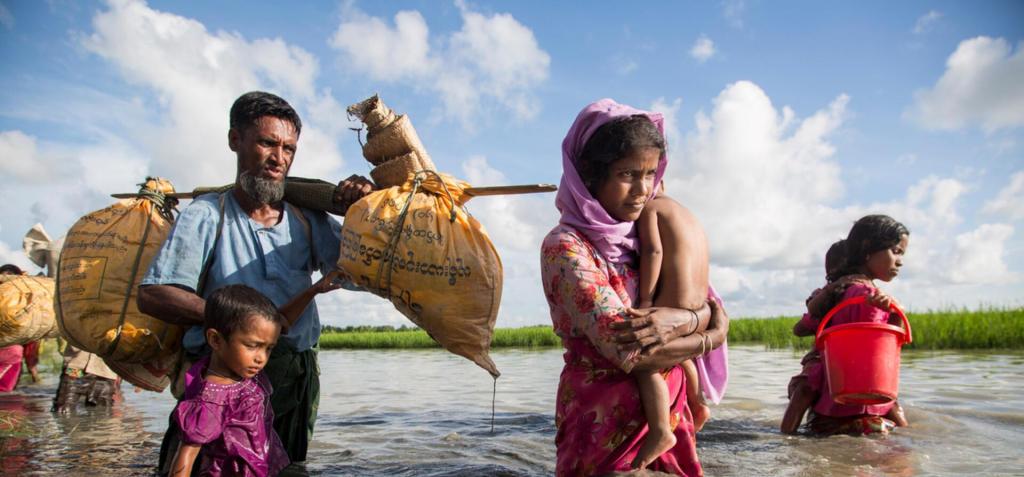
The repatriation programme has particular significance for the Rohingya, many of whom fled Myanmar following the military-led campaign in 2017 that forced more than 700,000 Rohingya into neighbouring Bangladesh.
Rohingya refugees in Myanmar have also faced increasing public and political pressure, including concern raised over employment, public services, and undocumented migration.
Malaysia’s Prime Minister Anwar Ibrahim has defended the government’s approach, arguing that Malaysia cannot host refugees indefinitely and that Myanmar should take responsibility for its nationals.
Anwar has also said he intends to invite Myanmar military leader Min Aung Hlaing to Malaysia to discuss the refugee and undocumented migrant issue.
In a podcast posted online on September 16, Anwar said he wanted to pursue engagement with Myanmar while urging its authorities to accept people back.
Myanmar officials have said the current repatriation programme concerns people whom Myanmar considers its citizens and does not constitute a programme for returning Rohingya, who are denied citizenship and are not recognized by Myanmar authorities as an ethnic group.
Rights groups call for safeguards
Amnesty International and Asylum Access have urged Malaysia to halt deportations and warned that the country’s new refugee registration system should not be used to accelerate unlawful returns.
Rights groups have also called on Malaysia to restore UNHCR access to immigration detention centres, allowing the agency to identify refugees and asylum seekers who may require international protection.
The first group of returnees is part of a wider Malaysian effort to address Myanmar nationals living in the country without legal status. Malaysia’s Home Ministry said further repatriations would take place after identity verification, documentation, logistical arrangements, and coordination between the two governments are completed.
For Rohingya refugees, however, developments continue to raise questions over whether any future return to Myanmar can take place voluntarily, safely and with dignity, with adequate protection of their rights and citizenship.


Leave a Reply