
By Arakan Journal Staff – October 3, 2026
Arakan (Rakhine State, Myanmar – An investigation by The Guardian has documented the destruction and repurposing of Rohingya villages in northern Rakhine State, raising fresh concerns about the prospects for Rohingya civilians who remain in Myanmar and refugees hoping to return from Bangladesh.
The investigation, published on October 1, used satellite imagery, testimonies from Rohingya and recent United Nations reporting to examine changes in areas where the Arakan Army (AA), an ethnic Rakhine Armed group has established control since 2024.
According to the investigation, an internal UN report identified at least 800 hectares of land across 23 Rohingya villages that had been seized and repurposed since 2024. The land was being used for displaced-person camps, settlements for other communities and military infrastructure.
Rohingya interviewed by The Guardian described homes and agricultural land being destroyed or confiscated after the AA took control of much of northern Rakhine.
One Rohingya man, Muhammad Ares, who now lives in Bangladesh, said bulldozers were used to clear residential areas in his village, leaving the land flat and removing what he described as traces of the community.
Other Rohingya interviewed by the newspaper alleged that they had been ordered to stop farming and perform labour, including clearing roads and digging trenches around AA-controlled areas.
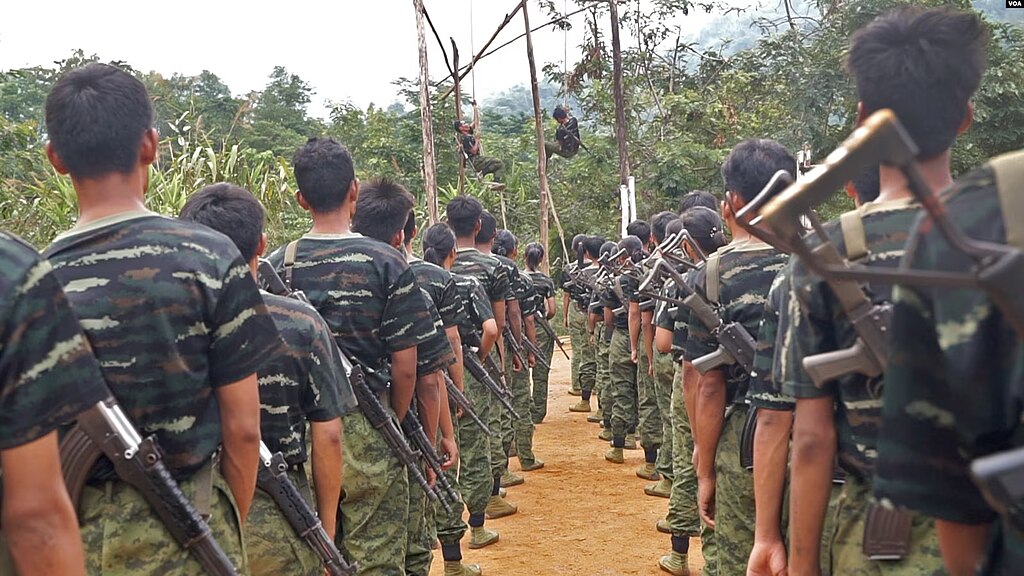
The investigation also reported allegations of forced recruitment and military training of Rohingya by the AA.
The AA has taken control of large parts of Rakhine State during its conflict with Myanmar’s military. The group says it represents the interests of the ethnic communities of Rakhine State and has previously expressed concern about the suffering of Rohingya.
However, Rohingya and rights groups have accused the AA of abuses against Rohingya civilians, including displacement, land confiscation, forced labour, and conscription.
The findings also raise concerns about the possibility of Rohingya refugees returning to their former homes.
Aung Kyaw Moe, a Rohingya political figure who until recently served as a member of Myanmar’s opposition National Unity Government, told The Guardian that the destruction of villages and transformation of land could make permanent displacement increasingly difficult to reverse.
The Independent Investigative Mechanism for Myanmar, which investigates serious international crimes in the country, also urged caution over attributing responsibility for all destruction.
Its head, Nicholas Koumjian, told The Guardian that the mechanism had not confirmed that the AA was responsible for the destruction of Rohingya land. He said Rohingya remaining in Myanmar appeared to be targeted by different sides in the conflict and were caught in the middle.
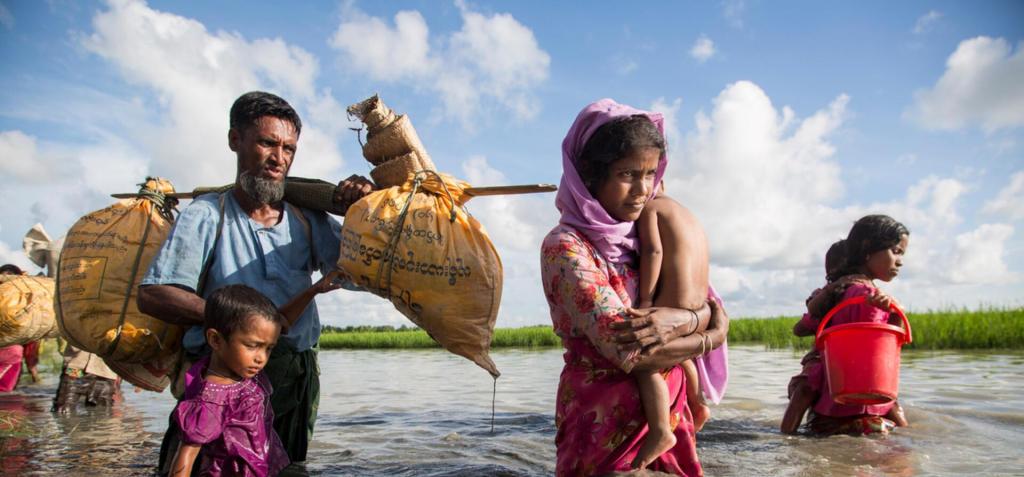
The investigation comes as the Rohingya population inside Myanmar continues to face displacement and insecurity. The Guardian reported that more than 155,000 Rohingya have arrived in Bangladesh since 2024, adding to the approximately 1.2 million Rohingya refugees already living in Bangladesh.
The continuing destruction and occupation of former Rohingya settlements could further complicate any future process of voluntary, safe, and dignified return.
Source: The Guardian, October 1, 2026.


Leave a Reply