By Arakan Journal Staff – October 4, 2026
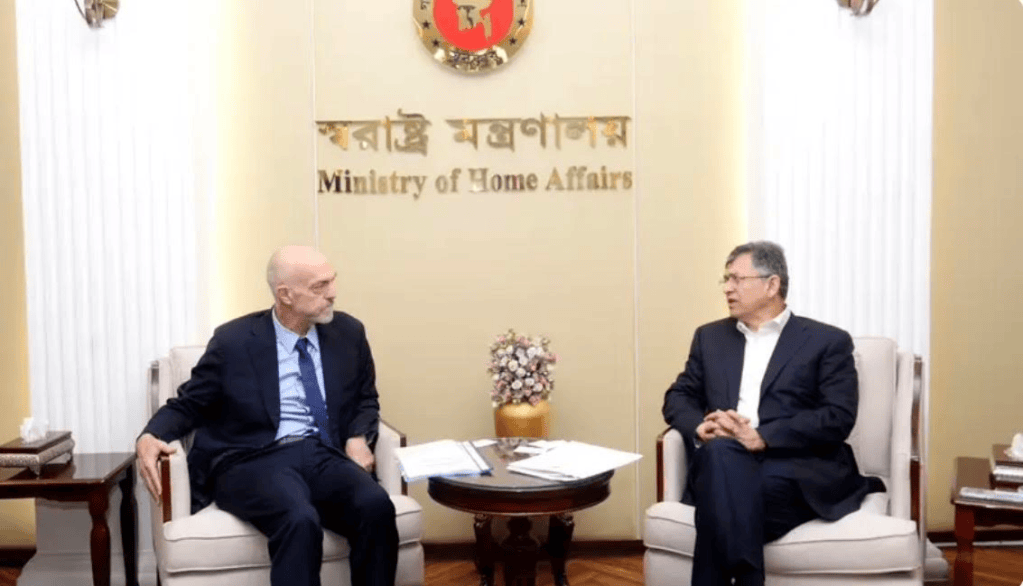
DHAKA, BANGLADESH – Bangladesh’s Home Minister Salah Uddin Ahmed said Sunday that an upcoming verdict by the International Court of Justice (ICJ) could increase international pressure on Myanmar and help create momentum for the repatriation of displaced Rohingya refugees.
The minister made the remarks during a meeting with Nicholas Koumjian, head of the United Nations’ Independent Investigative Mechanism for Myanmar (IIMM), at the Ministry of Home Affairs in Dhaka on October 4.
The meeting focused on alleged crimes against humanity in Myanmar, the Rohingya crisis, border security, and international judicial proceedings related to Myanmar.
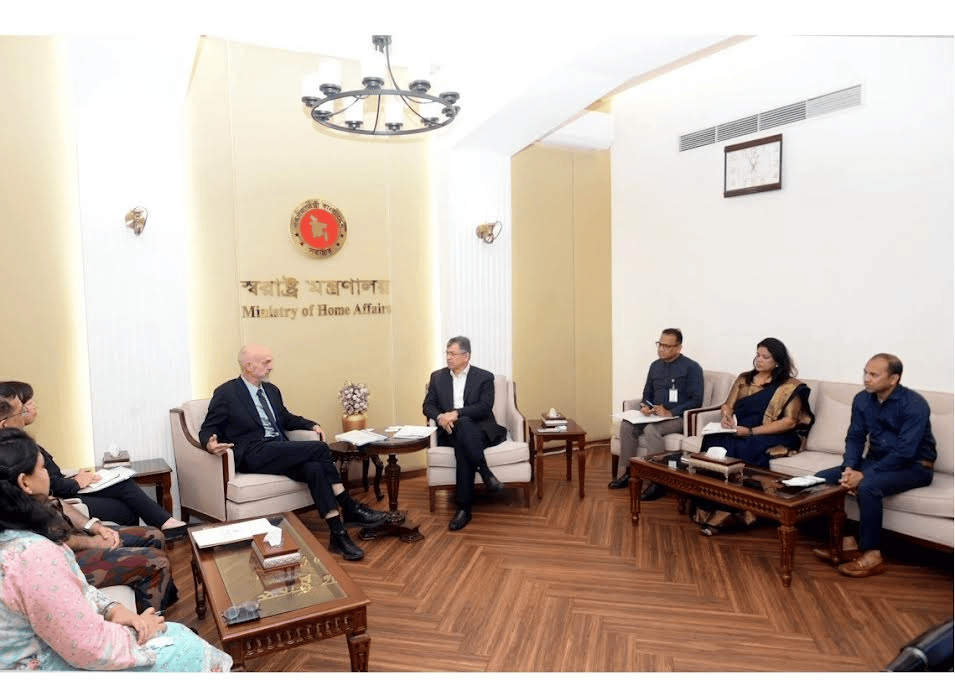
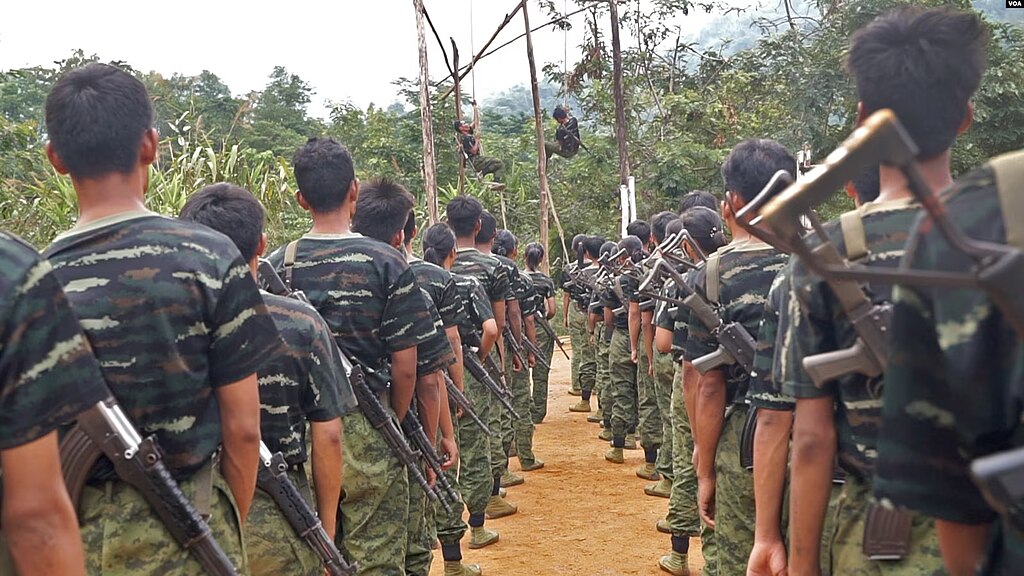
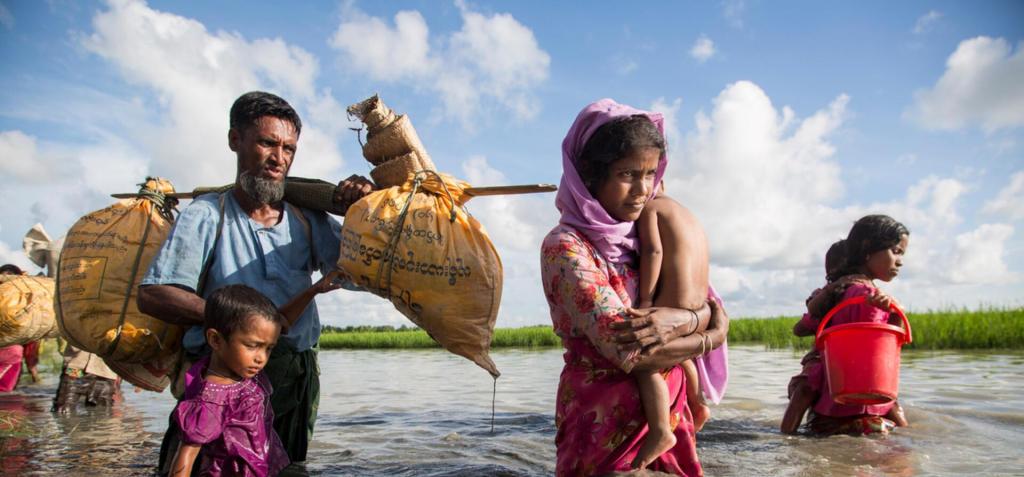
Ahmed said Bangladesh had sheltered hundreds of thousands of Rohingya on humanitarian grounds, but the prolonged crisis had created increasing pressure on the country. He pointed to continuing fighting between Myanmar’s military and the Arakan Army in Rakhine State and its effects on Bangladesh’s border areas.
The minister also called on the international community and UN agencies to support financial and logistical assistance for Rohingya refugees, warning that declining international support was adding to Bangladesh’s burden.
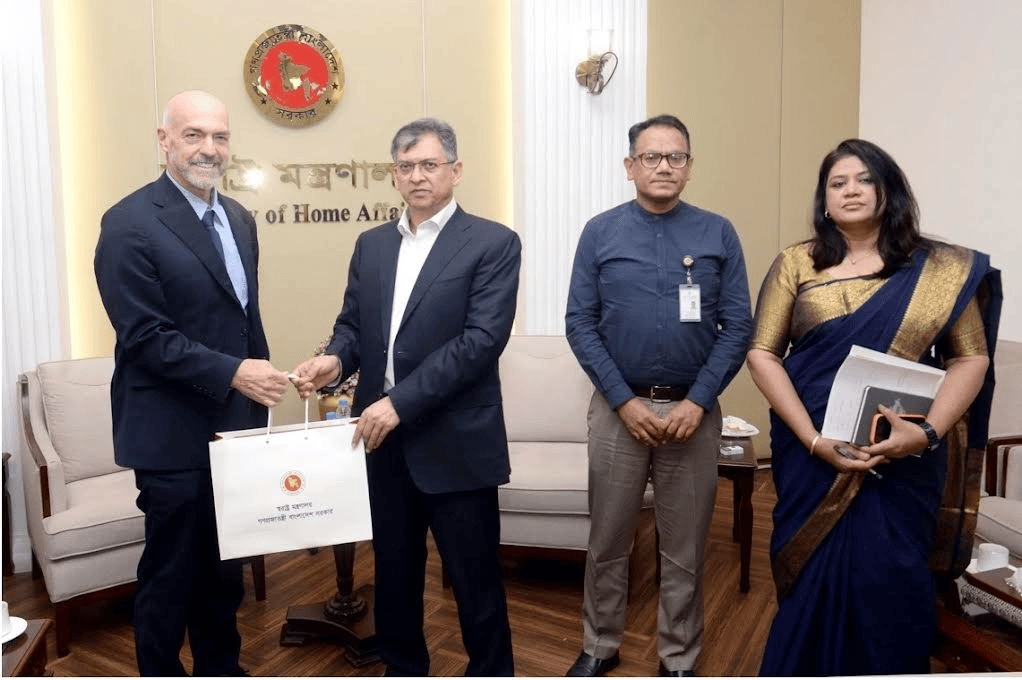
He said the ICJ’s forthcoming judgment could generate greater global pressure on Myanmar and contribute to efforts to facilitate the safe, dignified, and sustainable return of Rohingya refugees to their homeland.
Koumjian thanked Bangladesh for its cooperation with the IIMM and said investigators had conducted field visits to Cox’s Bazar and other areas, interviewing about 200 victims and eyewitnesses.
According to the minister’s office, Koumjian said the mechanism was providing evidence it collected to relevant international justice bodies, including the International Criminal Court (ICC) and the ICJ.
He also said the IIMM’s work was not limited to the violence of 2017. The mechanism is also documenting more recent alleged violations against civilians linked to fighting between the Arakan Army and Myanmar’s military.
Border security was another major issue discussed during the meeting. BGB Director General Major General Mohammad Ashrafuzzaman Siddiqui raised concerns over landmines on the Myanmar side of the border, saying some may be displaced by mountain runoff and monsoon rains and pose risks to communities in Bangladesh.
Bangladesh officials also briefed the IIMM on measures being taken to prevent illegal cross-border movements and on the broader security situation along the frontier.
The IIMM expressed interest in consulting field-level BGB commanders and gathering information from people who recently crossed into Bangladesh from Myanmar. The Ministry of Home Affairs and the BGB indicated that they would cooperate with the request.
Senior officials attended the meeting, including the BGB director general and Dr. Ziauddin Ahmed, additional secretary of the Political and Immigration Wing of the Ministry of Home Affairs.
Bangladesh continues to press for the voluntary, safe, and dignified repatriation of Rohingya refugees to Myanmar. At the same time, international organizations and governments have repeatedly stressed that conditions inside Rakhine State must allow for a safe and sustainable return.


Leave a Reply