Koumjian says ending attacks on civilians and pursuing justice are essential for sustainable repatriation
By Arakan Journal Staff – October 12, 2026
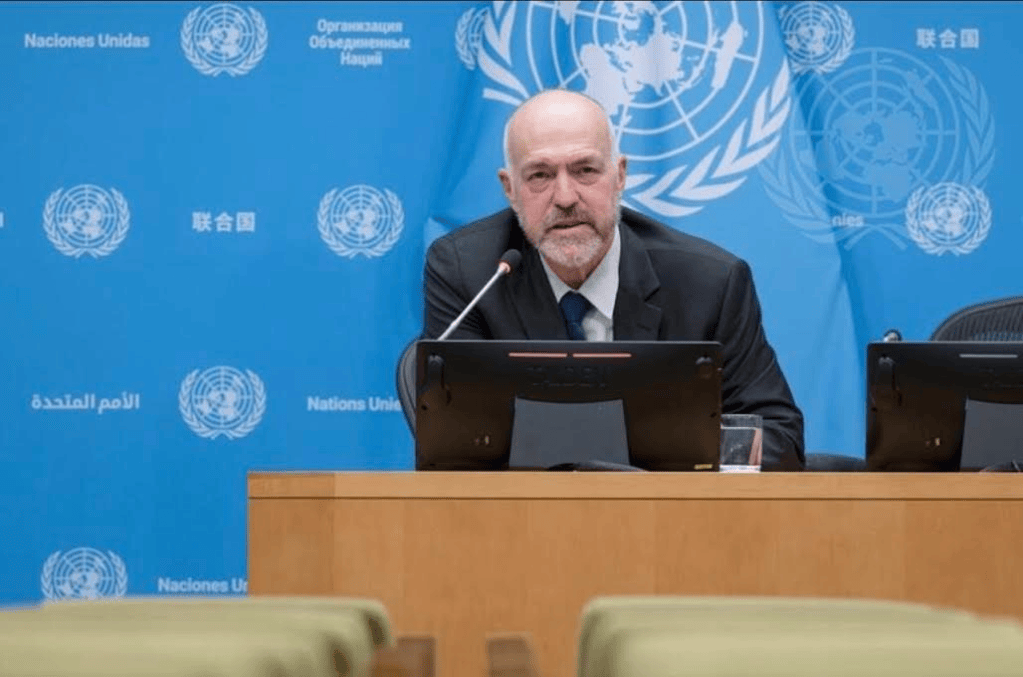
DHAKA, Bangladesh, October 12, 2026 — Continued violence against civilians in Myanmar’s Rakhine State is preventing Rohingya refugees in Bangladesh from safely returning home, the head of a United Nations investigative body said after a six-day visit to the country.
Nicholas Koumjian, head of the Independent Investigative Mechanism for Myanmar (IIMM), said allegations of serious international crimes committed during the ongoing conflict in Rakhine State were central to the mechanism’s investigations.
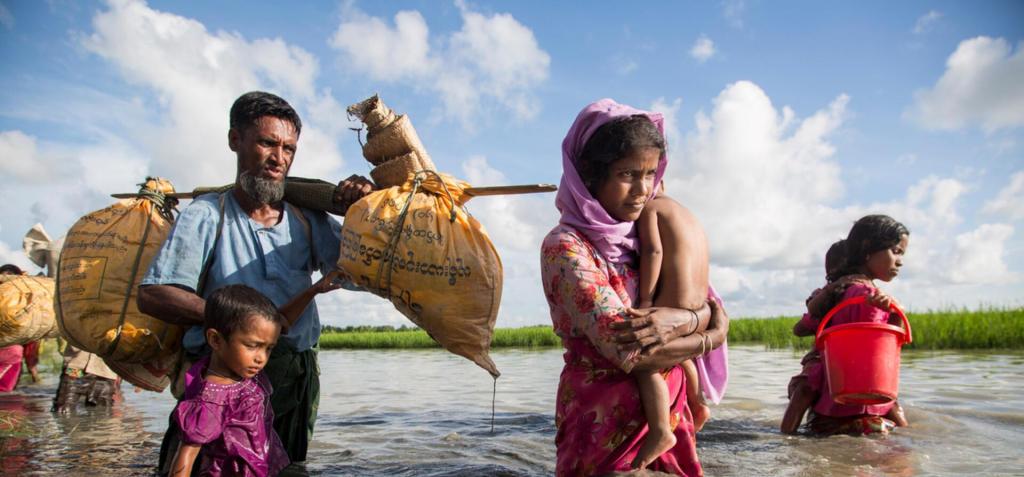
During his visit, Koumjian met senior Bangladeshi government officials and more than 200 people from Rohingya and other communities living in refugee camps in Cox’s Bazar. Many of those he met had fled Myanmar within the past two years.
“The Mechanism is investigating allegations of very serious international crimes that are currently being committed in Rakhine State by perpetrators from different ethnicities, religions, and political affiliations,” Koumjian said in a statement issued on October 12.
He said Rohingya refugees had shared recent and traumatic experiences that forced them to seek refuge in Bangladesh, adding that their testimonies were important to the ongoing investigations.
More than 154,000 Rohingya have arrived in Cox’s Bazar since early 2024, fleeing violence amid fighting between the Arakan Army and Myanmar’s military, according to the statement. The total Rohingya refugee population in Bangladesh now exceeds 1.2 million.
Calls for an end to violence
Koumjian said the security situation in Rakhine State remained a major concern for the people he met during his visit.
“Ending the violence against civilians and pursuing justice for these crimes are critical steps to ensure that Rohingya communities can return home safely and sustainably,” he said.
“Only then can the process of rebuilding begin for all communities in Rakhine.”
The remarks underscore the challenges facing efforts to repatriate Rohingya refugees to Myanmar, where continuing insecurity and allegations of serious abuses remain major concerns.
Bangladesh has hosted more than one million Rohingya refugees, most of whom fled a military crackdown in Myanmar in 2017. Renewed displacement from Rakhine State since 2024 has added to the pressure on refugee camps and humanitarian services in Cox’s Bazar.
Meetings with Bangladeshi officials
During his visit, Koumjian met Bangladesh Home Affairs Minister Salahuddin Ahmed, Disaster Management and Relief Minister Asadul Habib Dulu, State Minister for Foreign Affairs Humayun Kabir, Foreign Secretary Asad Alam Siam, and Border Guard Bangladesh Director General Major General Mohammad Ashrafuzzaman Siddiqui.
He thanked the Bangladeshi government for its continued cooperation with the mechanism and for facilitating investigations into alleged international crimes committed in Myanmar.
Koumjian also acknowledged the support provided by the Refugee Relief and Repatriation Commissioner and the offices of camp-in-charge officials in Cox’s Bazar.
Genocide case before the World Court
The visit comes as the International Court of Justice (ICJ) considers a case concerning Myanmar’s obligations under the Genocide Convention in relation to the treatment of the Rohingya.
The case, brought by The Gambia, concerns allegations that Myanmar violated its obligations to prevent and punish genocide against the Rohingya, particularly in connection with the military operations of 2016 and 2017.
The court’s proceedings are a central part of international efforts to establish accountability for alleged atrocities against the Rohingya. The statement says a decision is expected in the coming months.
The UN Human Rights Council established the Independent Investigative Mechanism for Myanmar in 2018. It collects, preserves, and analyses evidence of the most serious international crimes and other violations of international law committed in Myanmar since 2011.
The mechanism prepares evidence and analytical material that national, regional, or international courts may use to prosecute individuals suspected of such crimes.


Leave a Reply